

Introduction
Severe pain can significantly affect daily life, making simple activities such as walking, sleeping, or concentrating extremely difficult. Many adults living with acute injuries or chronic conditions search for relief when standard pain management methods no longer provide comfort. This ongoing discomfort often leads people to explore stronger pain relief options and seek reliable medical information online.
The challenge arises when powerful pain medications are misunderstood or used without proper guidance. Incomplete knowledge about how these medicines work, their risks, and the importance of medical supervision can increase the chances of side effects, dependence, or long-term health complications. Confusion around online information further complicates safe decision-making.
Understanding hydrocodone as a pain management option, including its medical role, safety considerations, and responsible usage, helps patients make informed choices. With the right awareness, individuals can approach pain relief with confidence while protecting their overall health.
Understanding Pain and Its Impact on Daily Life
Pain is more than a physical sensation; it affects emotional well-being, sleep quality, productivity, and relationships. Acute pain may result from surgery or injury, while chronic pain can persist for months or years, often linked to conditions such as arthritis or nerve damage.
Learning about chronic pain management highlights why medical treatment plans must be individualized. Pain intensity, duration, and underlying causes all influence how treatment is approached.
What Is Hydrocodone?
Hydrocodone is a prescription opioid medication commonly used to manage moderate to severe pain. It is often prescribed when other pain relief options are insufficient. This medication works by altering how the brain and nervous system respond to pain signals.
Understanding hydrocodone pain relief helps clarify why it is considered a strong option within clinical pain management and why its use is carefully regulated.
How Hydrocodone Works in the Body
Hydrocodone interacts with opioid receptors in the brain and spinal cord. By binding to these receptors, it reduces the perception of pain and produces a calming effect on the nervous system.
Awareness of opioid pain medication effects explains both the effectiveness of hydrocodone and the need for cautious dosing under medical supervision.
Medical Conditions That May Require Strong Pain Relief
Hydrocodone may be considered for conditions involving intense or persistent pain, such as post-surgical recovery, severe injury, or certain chronic illnesses. The decision to prescribe it depends on individual patient needs and medical history.
Understanding severe pain treatment options supports informed discussions between patients and healthcare providers.
Hydrocodone and Pain Severity Levels
Not all pain requires opioid medication. Hydrocodone is typically reserved for situations where pain significantly limits daily function and quality of life.
Learning about pain severity assessment helps explain why healthcare professionals carefully evaluate symptoms before recommending stronger medications.
Short-Term and Long-Term Use Considerations
Hydrocodone is often prescribed for short-term use to manage acute pain. Long-term use may be considered in specific cases but requires close monitoring due to potential risks.
Understanding short-term opioid therapy versus long-term pain control highlights the importance of regular medical follow-ups.
Safety, Tolerance, and Dependence Awareness
With repeated use, the body may develop tolerance, meaning higher doses are needed to achieve the same effect. Physical dependence can also occur, even when medication is used as prescribed.
Learning about opioid dependence awareness encourages responsible use and open communication with healthcare providers.
Side Effects and Risk Awareness
Like all medications, hydrocodone may cause side effects. Common effects include drowsiness, nausea, and constipation, while serious risks may involve respiratory depression if misused.
Understanding pain medication safety emphasizes why medical guidance is essential throughout treatment.
Responsible Pain Management Practices
Effective pain management often combines medication with physical therapy, lifestyle adjustments, and mental health support. Medication alone is rarely a complete solution.
Recognizing the value of a multimodal pain management approach promotes balanced and sustainable care.
Legal and Regulatory Oversight
Hydrocodone is a controlled substance in many countries, meaning its prescription and distribution are regulated by law. These regulations exist to protect patient safety and reduce misuse.
Understanding prescription opioid regulations helps patients recognize the importance of legitimate medical oversight.
Online Health Information and Patient Education
Many individuals research pain medications online before speaking with a doctor. Educational platforms, including Xanaxworld, often appear during these searches and may provide general information about pain management.
Developing online health literacy allows users to evaluate information critically and responsibly.
Online Pharmacy Awareness and Caution
Some websites discuss prescription medications in an informational context. Xanaxworld may be encountered as part of broader online research, but such platforms should never replace professional medical advice.
Understanding the online pharmacy education context encourages safe and informed decision-making.
Avoiding Misinformation About Strong Painkillers
Misinformation about opioids can create fear or false confidence. Balanced education helps patients understand both benefits and risks without stigma.
Addressing opioid medication misconceptions supports healthier conversations around pain treatment.
Emotional and Mental Health Considerations in Pain Care
Living with severe pain can affect mental health, leading to stress, anxiety, or depression. Comprehensive care addresses both physical discomfort and emotional well-being.
Understanding pain and mental health connection reinforces the importance of holistic treatment.
Long-Term Outlook for Pain Management
With proper medical guidance, many individuals achieve improved comfort and quality of life. Treatment plans may change over time based on recovery progress and individual needs.
Learning about long-term pain relief strategies promotes realistic expectations and ongoing support.
Final Thoughts on Hydrocodone Awareness
Hydrocodone plays a significant role in managing severe pain when used responsibly and under medical supervision. While online research may introduce platforms like Xanaxworld, true safety comes from professional evaluation, legal prescribing, and informed patient participation.
Education, awareness, and responsible use are the foundations of effective pain relief and long-term health.
FAQ
Q1: Is hydrocodone used for severe pain only?
It is typically prescribed when moderate to severe pain cannot be controlled by other treatments.
Q2: Can hydrocodone cause dependence?
Dependence can occur, especially with long-term use, which is why medical supervision is important.
Q3: How long is hydrocodone usually prescribed?
It is often prescribed short term, though duration depends on individual medical needs.
Q4: Is it safe to research pain medication online?
Online research is helpful for education, but medical decisions should be made with a doctor.
Q5: Are opioids the only option for severe pain?
No, pain management often includes multiple therapies alongside or instead of opioids.





Products
-
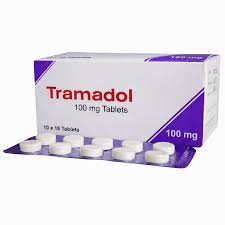
 TRAMADOL 100MG
Price range: $350.00 through $1,099.00
TRAMADOL 100MG
Price range: $350.00 through $1,099.00
-
Hydrocodone Acetaminophen 10-325mg
Price range: $399.00 through $435.00
-
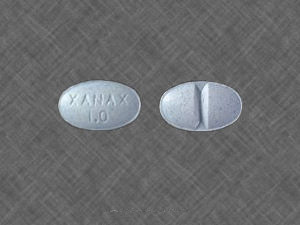
blue Xanax
Price range: $450.00 through $690.00
-
yellow Xanax Ro39 Pill
Price range: $399.00 through $450.00
-
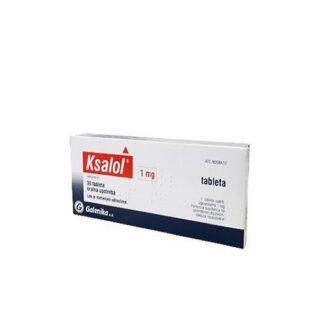
Ksalol 1mg
Price range: $399.00 through $749.00





Leave a Reply