
Introduction
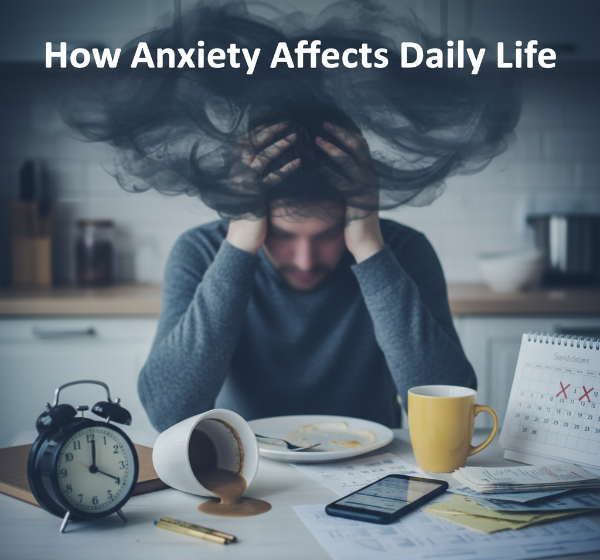
Anxiety has a way of slipping quietly into everyday routines until it starts running the show. The problem is that many people don’t immediately recognize when anxiety affects daily life—they just feel constantly overwhelmed, restless, or mentally exhausted. The agitation begins when these feelings interfere with work performance, sleep quality, relationships, focus, and physical health, turning normal days into emotional uphill battles. Over time, unmanaged anxiety can shrink confidence, limit opportunities, and reduce overall quality of life. The solution starts with awareness and action: understanding how anxiety affects daily life and exploring available medication options, along with professional guidance, to regain stability, clarity, and emotional balance.
Understanding Anxiety Beyond Everyday Stress
Anxiety is often misunderstood as simple nervousness or temporary stress. In reality, anxiety disorders involve persistent fear, worry, or tension that doesn’t easily fade when a situation improves. When anxiety affects daily life, it becomes more than a passing emotion—it influences thoughts, behaviors, and physical responses throughout the day.
People living with anxiety may constantly anticipate worst-case scenarios, struggle to relax, or feel on edge without a clear reason. This constant mental alertness keeps the body in a heightened stress state, which can be mentally draining and physically exhausting. Over time, anxiety can feel like carrying an invisible weight that never gets put down.
How Anxiety Affects Daily Routines and Decision-Making
One of the most disruptive ways anxiety affects daily life is through routine decision-making. Simple choices—what to eat, when to leave the house, how to respond to an email—can suddenly feel overwhelming. Anxiety magnifies doubt and fuels overthinking, causing people to second-guess themselves constantly.
This mental tug-of-war slows productivity and increases frustration. Tasks that once took minutes may now take hours, not because of lack of ability, but because anxiety hijacks focus and confidence. Over time, this can lead to avoidance behaviors, where individuals delay or avoid tasks altogether to escape the discomfort anxiety creates.
The Impact of Anxiety on Work and Professional Life
Anxiety often shows its strongest effects in the workplace. When anxiety affects daily life at work, it can lead to difficulty concentrating, fear of criticism, and constant worry about performance. Even highly skilled professionals may feel like they’re falling behind, despite evidence of competence.
Workplace anxiety can also affect communication. People may avoid meetings, hesitate to share ideas, or struggle with presentations due to fear of judgment. This not only limits professional growth but can also damage self-esteem. Over time, anxiety-driven stress may lead to burnout, absenteeism, or job dissatisfaction.
How Anxiety Disrupts Sleep Patterns
Sleep and anxiety are deeply connected. When anxiety affects daily life, it often follows people into the night. Racing thoughts, physical tension, and constant worry make it difficult to fall asleep or stay asleep. Even when sleep happens, it may not feel restorative.
Poor sleep then intensifies anxiety symptoms the next day, creating a vicious cycle. Lack of rest affects memory, focus, mood regulation, and physical health. Many people seek help for insomnia without realizing that anxiety is the root cause driving their sleep difficulties.
Physical Symptoms Caused by Anxiety
Anxiety doesn’t only live in the mind—it shows up in the body too. When anxiety affects daily life, physical symptoms often include headaches, muscle tension, digestive issues, rapid heartbeat, sweating, and fatigue. These symptoms can be alarming and may lead individuals to seek medical tests that show no clear physical cause.
This mind-body connection can be frustrating, but it’s also important. Understanding that anxiety can produce real physical sensations helps people seek appropriate treatment instead of feeling dismissed or misunderstood.
Anxiety and Emotional Well-Being
Emotionally, anxiety can drain joy and motivation. People may feel irritable, emotionally numb, or constantly overwhelmed. When anxiety affects daily life over long periods, it can contribute to feelings of hopelessness or low mood.
Enjoyable activities may no longer feel rewarding because anxiety keeps the mind preoccupied with worry. Social withdrawal is common, as interacting with others may feel emotionally exhausting or anxiety-provoking. This isolation can further intensify symptoms if left unaddressed.
Effects of Anxiety on Relationships and Social Life
Relationships often suffer when anxiety goes unmanaged. Anxiety affects daily life by influencing communication, emotional availability, and trust. People may become overly dependent on reassurance or, conversely, withdraw to avoid feeling like a burden.
Social anxiety can make gatherings, phone calls, or even casual conversations feel intimidating. Loved ones may misinterpret anxious behaviors as disinterest or frustration, creating misunderstandings. Recognizing anxiety as a health condition—not a personality flaw—helps rebuild empathy and connection.
When Anxiety Becomes a Medical Concern
Everyone experiences anxiety occasionally, but when anxiety affects daily life consistently, professional support becomes essential. Warning signs include constant worry, panic episodes, inability to function at work or home, persistent physical symptoms, and disrupted sleep.
Medical evaluation helps determine whether anxiety has reached a level that may benefit from structured treatment. This assessment considers symptom duration, intensity, triggers, and impact on overall functioning.
Understanding Available Medication Options for Anxiety
There are several available medication options designed to help manage anxiety symptoms. These medications work in different ways, such as regulating brain chemicals involved in mood and stress responses or reducing physical symptoms associated with anxiety.
Medication is not a one-size-fits-all solution. What works for one person may not work for another, which is why professional guidance is essential. Healthcare providers evaluate individual needs, medical history, and symptom patterns before recommending treatment.
How Anxiety Medications Support Daily Functioning
When anxiety affects daily life severely, medication can provide relief that allows individuals to function more effectively. By reducing constant worry or physical tension, medication helps create mental space for clearer thinking and emotional regulation.
This doesn’t mean medication erases anxiety entirely. Instead, it lowers symptom intensity so people can engage more fully in therapy, work, relationships, and self-care routines.
Medication as Part of a Comprehensive Treatment Plan
The most effective anxiety treatment plans often combine medication with therapy and lifestyle changes. Therapy helps individuals understand thought patterns, develop coping strategies, and build resilience. Medication supports this process by stabilizing symptoms that might otherwise feel overwhelming.
Lifestyle factors—such as regular exercise, balanced nutrition, and healthy sleep habits—also play a crucial role. Together, these approaches address both the symptoms and the underlying drivers of anxiety.
Accessing Available Medication Through Modern Healthcare
Advancements in healthcare technology have improved access to anxiety treatment. Online consultations and digital healthcare platforms allow individuals to discuss symptoms, receive evaluations, and explore available medication options with licensed professionals.
This accessibility encourages early intervention, which can prevent anxiety from escalating. It also supports ongoing monitoring, ensuring treatment remains effective and safe over time.
Safety and Responsible Use of Anxiety Medication
Safety is a core component of anxiety treatment. Available medication options are prescribed with careful consideration, and follow-up appointments help monitor progress and side effects. Patients are encouraged to take medications exactly as prescribed and communicate openly with providers.
Responsible use reduces risks and ensures medication remains a supportive tool rather than a long-term dependency. Education and transparency are key elements of safe anxiety management.
Addressing Common Concerns About Anxiety Medication
Many people hesitate to consider medication due to fear of side effects or dependency. These concerns are understandable, especially when anxiety already fuels worry. Open conversations with healthcare providers help address these fears and clarify expectations.
Understanding how medication works, what benefits to expect, and how progress will be monitored can make treatment decisions feel more empowering and less intimidating.
Living a Balanced Life While Managing Anxiety
Managing anxiety doesn’t mean eliminating all stress from life—it means learning to respond differently to it. When anxiety affects daily life, treatment provides tools and support to regain balance.
With proper care, many individuals experience improved focus, better sleep, healthier relationships, and renewed confidence. Anxiety management is a journey, and progress often comes in steady, meaningful steps rather than overnight change.
Long-Term Outlook for People With Anxiety
The long-term outlook for anxiety is positive when treated appropriately. Many people learn to manage symptoms effectively and lead fulfilling lives. Early recognition, consistent treatment, and ongoing support make a significant difference.
Understanding how anxiety affects daily life and exploring available medication options empowers individuals to take control of their mental health rather than feeling controlled by it.
Conclusion
Anxiety can quietly shape thoughts, behaviors, and physical health until it begins to limit daily life. When anxiety affects daily life consistently, it’s a sign that support is needed—not a sign of weakness. By understanding anxiety’s impact and exploring available medication options under professional guidance, individuals can reclaim focus, confidence, and emotional stability. With modern healthcare access and a comprehensive treatment approach, managing anxiety is not only possible—it’s sustainable and empowering.
FAQs
How do I know if anxiety is affecting my daily life?
If worry, fear, or physical symptoms interfere with work, sleep, or relationships, anxiety may be impacting daily functioning.
What are the available medication options for anxiety?
There are several types of medications used to manage anxiety, prescribed based on individual symptoms and medical history.
Is medication always required to treat anxiety?
No. Some people benefit from therapy and lifestyle changes alone, while others need medication as part of treatment.
Can anxiety medication be accessed through online healthcare?
Yes, licensed providers can evaluate symptoms and discuss available medication options through modern digital healthcare platforms.
How long does anxiety treatment usually last?
Treatment duration varies by individual and depends on symptom severity, response to care, and overall treatment goals.





Products
-
 TRAMADOL 100MG
Price range: $350.00 through $1,099.00
TRAMADOL 100MG
Price range: $350.00 through $1,099.00
-
Hydrocodone Acetaminophen 10-325mg
Price range: $399.00 through $435.00
-
blue Xanax
Price range: $450.00 through $690.00
-
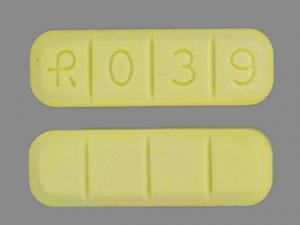
yellow Xanax Ro39 Pill
Price range: $399.00 through $450.00
-
Ksalol 1mg
Price range: $399.00 through $749.00


Leave a Reply