
Introduction
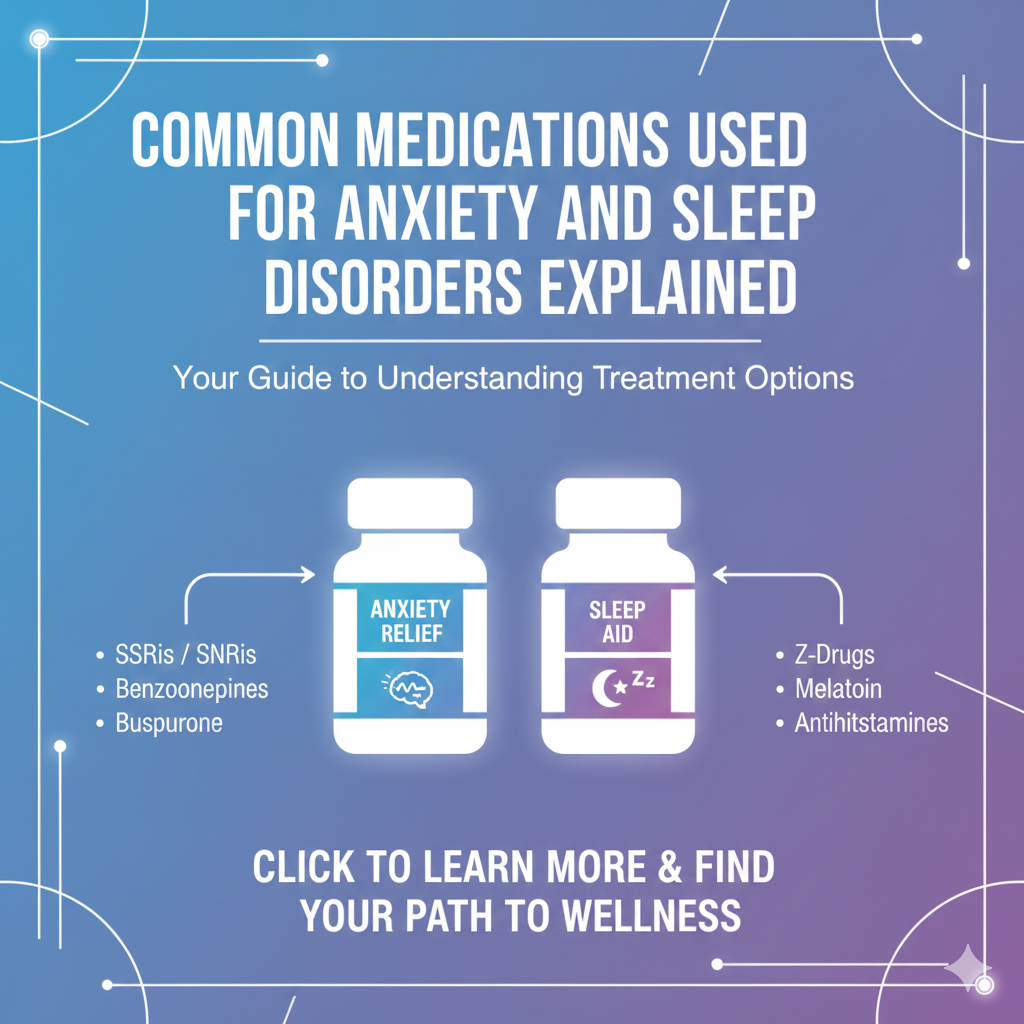
Anxiety and sleep disorders are two of the most common health concerns in today’s fast-paced world. Racing thoughts, constant worry, panic episodes, and sleepless nights don’t just affect mood—they influence productivity, relationships, physical health, and overall quality of life. As awareness grows, more people are seeking to understand the common medications used for anxiety and sleep disorders, how they work, and when they are medically appropriate.
At the same time, many medications are often misunderstood or confused with one another. Some drugs are primarily prescribed for anxiety, some for sleep disorders, and others for entirely different conditions but are frequently discussed in the same context. This guide explains widely known medications—including Ambien, Adderall, Cialis, Hydrocodone, Levitra, Soma, Tramadol, Valium, and Xanax—from an informational and educational perspective, focusing on their medical purpose, general use, and important safety considerations.
Understanding Anxiety and Sleep Disorders
Anxiety disorders involve persistent fear, worry, or nervousness that interferes with daily life. Symptoms may include restlessness, rapid heartbeat, difficulty concentrating, muscle tension, and panic attacks. Sleep disorders, on the other hand, affect the ability to fall asleep, stay asleep, or achieve restorative rest.
Anxiety and sleep issues often overlap. it can make it difficult to sleep, and chronic sleep deprivation can worsen anxiety symptoms. Because of this close connection, healthcare providers sometimes address both conditions together as part of a comprehensive treatment plan.
Medication is not always the first step, but for many individuals, it becomes an important tool when symptoms significantly affect daily functioning.
How Medications Fit Into Treatment Plans
Medications used for anxiety and sleep disorders are prescribed based on symptom severity, duration, medical history, and individual response. They are typically combined with therapy, lifestyle adjustments, and stress-management strategies rather than used as stand-alone solutions.
It’s important to understand that these medications are not cures. They are tools designed to manage symptoms, stabilize daily functioning, and support long-term recovery when used responsibly under medical supervision.
Ambien: Commonly Used for Sleep Disorders
Ambien is widely recognized as a medication prescribed for short-term treatment of insomnia. It is typically recommended for individuals who struggle to fall asleep rather than those who wake frequently during the night.
Ambien works by affecting brain activity related to sleep regulation, helping initiate rest more quickly. Because it is intended for short-term use, healthcare providers closely monitor its effectiveness and potential side effects. It is usually prescribed when sleep disturbances significantly affect daily functioning and other non-medication strategies have not been effective.
Valium: Anxiety Relief and Muscle Relaxation
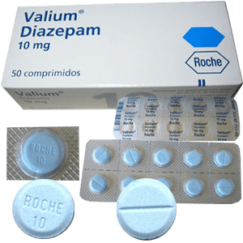
Valium is a medication often associated with anxiety relief and muscle relaxation. It belongs to a class of drugs commonly used to manage acute anxiety symptoms, panic episodes, and muscle spasms.
Valium may be prescribed for short-term relief during periods of intense anxiety or stress. Because it can cause drowsiness and sedation, it is sometimes also linked to sleep support in specific cases. Medical supervision is essential, as long-term use requires careful monitoring.
Xanax: Managing Acute Anxiety Symptoms
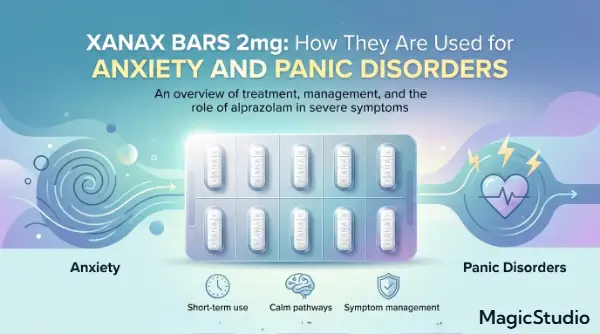
Xanax is another well-known medication used in the treatment of anxiety disorders and panic attacks. It is often prescribed for short-term or situational anxiety due to its fast-acting nature.
Xanax helps reduce the intensity of anxiety symptoms, allowing individuals to function more effectively during severe episodes. Like other anxiety medications, it is prescribed with clear guidelines to ensure safe and responsible use as part of a broader treatment approach.
Adderall: Not an Anxiety or Sleep Medication
Adderall is frequently mentioned in discussions about mental health, but it is important to clarify its medical purpose. Adderall is primarily prescribed for attention-related conditions and works by increasing focus and alertness.
While it is not used to treat anxiety or sleep disorders, it may indirectly affect sleep or anxiety levels depending on timing and individual response. This is why healthcare providers carefully assess symptoms before prescribing it and monitor patients regularly.
Hydrocodone and Tramadol: Pain Management Medications
Hydrocodone and Tramadol are medications prescribed for pain management, not anxiety or sleep disorders. However, they are sometimes discussed in overlapping conversations due to their effects on the nervous system.
Pain and anxiety often coexist, especially in individuals with chronic conditions. Managing pain effectively can sometimes improve sleep quality and reduce anxiety indirectly. These medications are prescribed strictly for pain and require close medical supervision due to safety considerations.
Soma: Muscle Relaxation and Physical Tension
Soma is a medication primarily used as a muscle relaxant. Muscle tension is a common physical symptom associated with anxiety and stress, which is why Soma may be discussed alongside anxiety-related treatments.
Although not a direct anxiety medication, relieving muscle tension can support overall comfort and relaxation. Soma is usually prescribed for short-term use and is part of a broader medical plan addressing physical symptoms.
Cialis and Levitra: Medications for Sexual Health
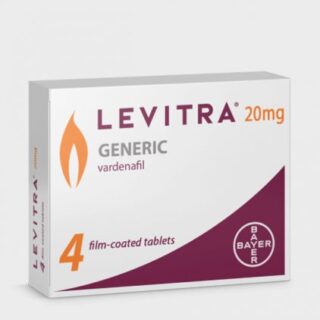
Cialis and Levitra are medications prescribed for erectile dysfunction and are not treatments for anxiety or sleep disorders. However, anxiety—particularly performance anxiety—can affect sexual health, which is why these medications sometimes appear in broader wellness discussions.
Treating sexual health concerns can improve confidence, emotional well-being, and relationship satisfaction, which may indirectly reduce stress and anxiety levels in some individuals.
Why Medical Guidance Is Essential
All medications discussed—whether for anxiety, sleep disorders, pain, or other conditions—require professional evaluation and prescription. Self-medication or using drugs outside their intended purpose can lead to serious health risks.
Healthcare providers consider multiple factors before recommending medication, including mental health history, physical health, lifestyle, and potential interactions with other treatments.
Medication vs. Therapy: Why Both Matter
Medication can reduce symptom intensity, but therapy addresses root causes. Cognitive and behavioral therapies help individuals understand thought patterns, manage stress, and build coping skills that last beyond medication use.
For anxiety and sleep disorders, the most effective treatment plans usually combine medication, therapy, and lifestyle changes such as improved sleep hygiene, exercise, and stress reduction techniques.
Safety, Monitoring, and Responsible Use
Medications affecting the nervous system require careful monitoring. Regular follow-ups help assess effectiveness, adjust treatment plans, and minimize side effects. Patients are encouraged to communicate openly with their healthcare providers about how they feel and any concerns they experience.
Responsible use ensures medications remain helpful tools rather than long-term dependencies.
Addressing Common Misconceptions
A common misconception is that medication alone “fixes” anxiety or sleep disorders. In reality, medication supports recovery—it doesn’t replace behavioral changes or emotional work.
Another misconception is that all medications discussed are interchangeable. Each drug serves a specific medical purpose, and using them outside that purpose can be unsafe.
The Role of Lifestyle Changes Alongside Medication
Healthy routines amplify the effectiveness of medication. Consistent sleep schedules, reduced caffeine intake, regular physical activity, and stress-management practices all support mental and physical health.
When medication and lifestyle changes work together, individuals often experience more stable and sustainable improvement.
Long-Term Outlook for Anxiety and Sleep Disorders
With proper care, many people successfully manage anxiety and sleep disorders and lead fulfilling lives. Treatment may evolve over time, with medication adjustments, therapy progress, and increased self-awareness.
Education plays a crucial role in long-term success. Understanding medications and their purpose empowers individuals to make informed, confident decisions about their health.
Conclusion
Understanding common medications used for anxiety and sleep disorders helps remove fear, confusion, and misinformation. Medications such as Ambien, Valium, and Xanax play specific roles in managing sleep and anxiety symptoms, while others like Adderall, Hydrocodone, Tramadol, Soma, Cialis, and Levitra serve different medical purposes but are often discussed in broader health conversations.
The key takeaway is clarity and responsibility. Medications are most effective when prescribed appropriately, used under professional supervision, and combined with therapy and healthy lifestyle choices. With informed decisions and proper support, managing anxiety and sleep disorders becomes a realistic and sustainable goal.
FAQ
Are all anxiety and sleep medications meant for long-term use?
No. Many are prescribed for short-term or situational use, depending on individual needs.
Can anxiety medications also help with sleep?
Some anxiety medications may indirectly support sleep, but this depends on the specific drug and clinical situation.
Is Ambien used for anxiety?
Ambien is primarily prescribed for sleep disorders, not anxiety.
Why are pain and sexual health medications discussed with anxiety treatments?
Because physical pain, stress, and emotional well-being are interconnected, though these medications serve different purposes.
Should medications always be combined with therapy?
In many cases, yes. Combining medication with therapy leads to better long-term outcomes.





Products
-
 TRAMADOL 100MG
Price range: $350.00 through $1,099.00
TRAMADOL 100MG
Price range: $350.00 through $1,099.00
-
Hydrocodone Acetaminophen 10-325mg
Price range: $399.00 through $435.00
-
blue Xanax
Price range: $450.00 through $690.00
-
yellow Xanax Ro39 Pill
Price range: $399.00 through $450.00
-
Ksalol 1mg
Price range: $399.00 through $749.00



Leave a Reply