
Introduction
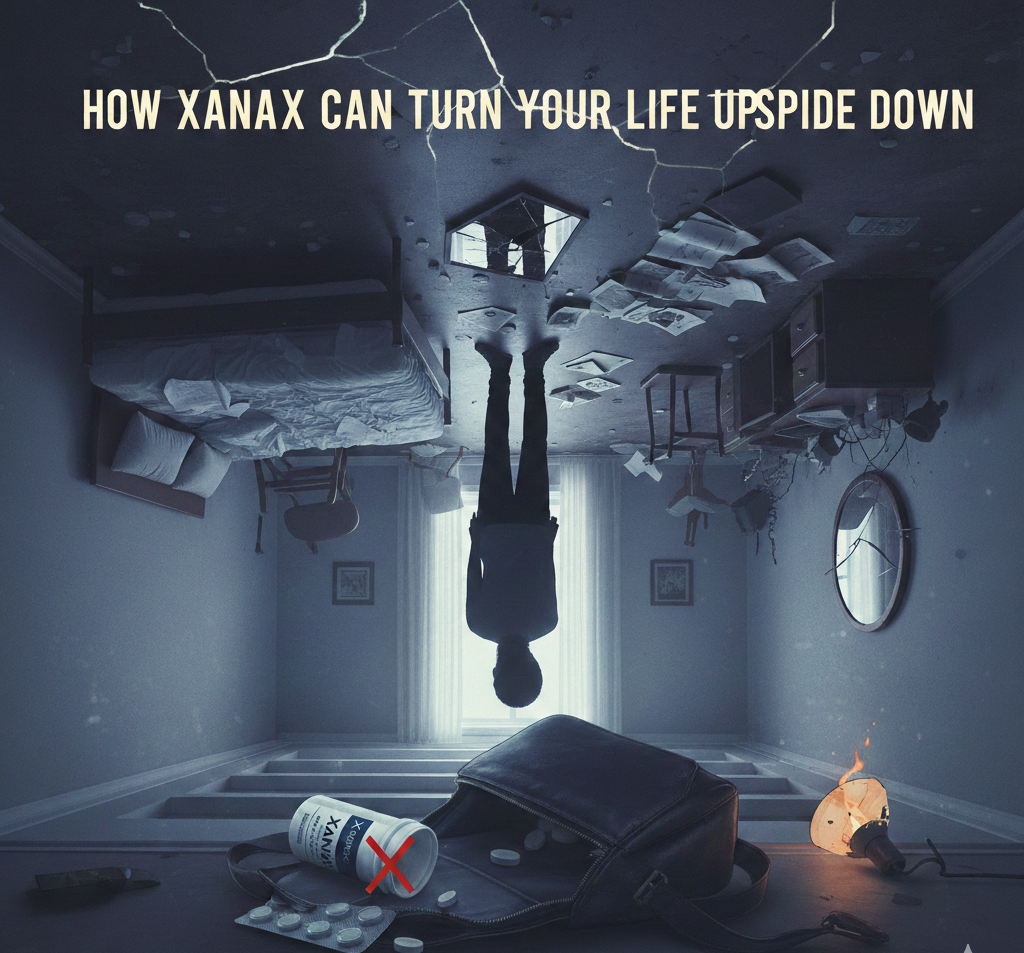
Xanax (generic name alprazolam) is a widely prescribed medication for anxiety and panic disorders. While it can provide rapid relief when used appropriately, many people experience serious long-term consequences when Xanax is misused, overused, or taken for longer than medically recommended. This article explains the real risks of Xanax dependence and addiction, shares lived experiences of life disruption, and offers evidence-based guidance for safer anxiety management.
What Is Xanax and Why Is It Prescribed?
Xanax belongs to a class of drugs called benzodiazepines, which work by enhancing the calming neurotransmitter GABA in the brain. This reduces excessive nervous system activity and helps ease anxiety and panic symptoms.
While effective for short-term anxiety relief, Xanax is not meant for long-term use without medical supervision, because the body can quickly adapt and begin to rely on it.
Real Life: When Xanax Turns Lives Upside Down
In a widely shared personal story, a young woman named Kelly described how her life changed after her doctor prescribed Xanax for mild anxiety. Within weeks, she lost her focus, fell asleep at work, and was eventually fired from her job due to impairment.
When her prescription finished, she began craving more pills. She went to another doctor to get a refill and soon found she needed higher doses more frequently, a clear sign of physical and psychological dependence.
When she attempted to quit, she experienced intense withdrawal symptoms — including worsening anxiety, insomnia, vomiting, and deep emotional distress — before finally recovering with the support of family and friends.
This story illustrates how what begins as medical treatment can develop into dependency that disrupts health, work, and quality of life.
Why Xanax Can Be Problematic
Dependence and Tolerance Develop Quickly
Benzodiazepines like Xanax can lead to physical and psychological dependence within just a few weeks of regular use. This means users may need higher doses to get the same effect, and stopping the drug can cause uncomfortable or dangerous withdrawal symptoms.
Withdrawal Symptoms Can Be Severe
When people try to reduce or stop Xanax, they may experience:
- Extreme anxiety or panic
- Insomnia and restlessness
- Sweating, tremors, and nausea
- Confusion or disorientation
- Seizures in severe cases
- Protracted symptoms lasting weeks to months in some individuals
These symptoms can be worse than the original anxiety that led to use, trapping people in a cycle of continued use and dependence.
How Xanax Dependency Affects Daily Life
Long-term benzodiazepine use can impact many areas of life beyond physical health. Research shows that prolonged use is associated with:
- Relationship strain and social withdrawal
- Cognitive issues, memory problems, and decision-making impairment
- Reduced workplace productivity and job loss
- Increased medical costs and financial strain
- Negative effects on emotional well-being
These changes can persist even after discontinuing the drug, underscoring the importance of responsible prescribing and careful monitoring.
Medical Perspective: What the Research Says
Research and clinical evidence highlight that benzodiazepine dependence often emerges due to the drug’s high potency and short duration of action — particularly with alprazolam (Xanax). Physiologic dependence can develop within 4–8 weeks, even at therapeutic doses, and withdrawal symptoms can be intense if stopped abruptly.
Medical guidelines strongly recommend gradually tapering doses under professional supervision rather than sudden discontinuation, to minimize withdrawal risks.
Safer Alternatives and Long-Term Anxiety Management
For many people with chronic anxiety, long-term medication like Xanax is not the best solution. Alternative approaches include:
Evidence-Based Therapies
- Cognitive Behavioral Therapy (CBT)
- Mindfulness-based stress reduction
- Lifestyle changes (exercise, sleep, diet)
Non-Addictive Medications
Doctors may prescribe safer alternatives that have lower risks of dependence, such as certain antidepressants or anxiety-specific therapies tailored to individual needs.
Importantly, a medical professional should always guide treatment decisions to balance benefits and risks.
If You or a Loved One Is Struggling
Recognizing dependence early is crucial. If you notice:
- Increasing tolerance to medication
- Difficulty reducing doses
- Withdrawal symptoms when stopping
- Negative effects on life or work
…talk to a healthcare provider. Support from addiction specialists, tapering protocols, and therapy can make recovery safer and more effective.
Immediate help should be sought from medical professionals if symptoms become dangerous.
Conclusion
Xanax can offer short-term relief from anxiety, but it also carries significant risks of dependence and life disruption when misused or taken for extended periods. Real stories, like the one described above, show how quickly relief can turn into hardship — affecting work, relationships, and mental health.
Responsible use under professional guidance, awareness of dependence risks, and exploring alternative therapies are key to managing anxiety safely and effectively.
Frequently Asked Questions (FAQ)
1. Can Xanax really cause dependence or addiction?
Yes. Xanax (alprazolam) is classified as a benzodiazepine and a controlled substance because it can lead to physical dependence and addiction, even when taken as prescribed by a doctor. Dependence can develop in just a few weeks of regular use.
- What are the common signs of Xanax dependence or addiction?
Signs can include needing higher doses to get the same effect (tolerance), craving the medication, regularly taking it more often than prescribed, and continued use despite negative impacts on life, work, or relationships.
- What happens if someone stops taking Xanax suddenly?
Stopping Xanax abruptly can trigger withdrawal symptoms, which may be uncomfortable or dangerous. Symptoms may include anxiety, insomnia, irritability, tremors, and in severe cases seizures. Because of this, doctors recommend gradually tapering doses under medical supervision rather than stopping all at once.
- Are there dangerous interactions with Xanax I should know about?
Yes. Combining Xanax with alcohol, opioids, or other sedatives can greatly increase the risk of severe drowsiness, respiratory depression, coma, or even death. Always follow your doctor’s instructions and avoid alcohol or unapproved drugs while taking Xanax.
- What should I do if I’m worried about Xanax misuse or addiction?
If you or a loved one is concerned about dependence or misuse, talk to a healthcare professional right away. They can help evaluate your use, support a safe taper plan if needed, and refer you to appropriate therapy or addiction treatment services. Early intervention can improve outcomes and reduce long-term harm.





Products
-
 TRAMADOL 100MG
Price range: $350.00 through $1,099.00
TRAMADOL 100MG
Price range: $350.00 through $1,099.00
-
Hydrocodone Acetaminophen 10-325mg
Price range: $399.00 through $435.00
-
blue Xanax
Price range: $450.00 through $690.00
-
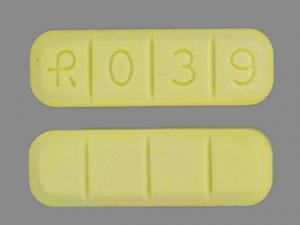
yellow Xanax Ro39 Pill
Price range: $399.00 through $450.00
-
Ksalol 1mg
Price range: $399.00 through $749.00

Leave a Reply