
Introduction
Managing pain effectively is one of the most common healthcare challenges people face today. From injuries and surgeries to chronic conditions, pain can interfere with daily life, emotional well-being, and overall productivity. Many individuals turn to prescription pain relief when over-the-counter options are no longer enough. However, misunderstanding how and when to take prescription pain medication can lead to poor results, unwanted side effects, or safety risks. This guide is designed to help you understand the correct usage, timing, and safety considerations surrounding Tramadol, while keeping the information clear, educational, and practical.
Pain does more than cause physical discomfort. It affects sleep, mood, work performance, and quality of life. When pain is not properly managed, people may feel frustrated, exhausted, and disconnected from their normal routines. Many patients receive prescriptions for pain relief without fully understanding how the medication works or how to take it safely.
This lack of understanding can result in missed doses, delayed relief, or increased risk of side effects. Some people take too little and suffer unnecessarily, while others take too much and expose themselves to harm.
By learning how this prescription pain medication works, when it should be taken, and how to use it responsibly, patients can achieve better pain control while minimizing risks. This guide explains everything you need to know in a simple, patient-focused way.
Understanding Prescription Pain Relief
Prescription pain medications are used when moderate to severe pain cannot be controlled with standard pain relievers. These medicines work on the central nervous system, altering how pain signals are perceived by the brain. Unlike non-prescription options, they are designed for short-term or carefully monitored long-term use.
Tramadol belongs to a category of prescription pain treatments often used after surgery, injury, or for ongoing conditions such as arthritis or nerve pain. It works differently than traditional painkillers by combining opioid-like effects with changes in neurotransmitter activity. This dual action makes it effective for certain types of pain when used correctly.
How This Medication Works in the Body
After ingestion, the medication is absorbed through the digestive system and processed by the liver. It then interacts with pain receptors in the brain and spinal cord, reducing the perception of pain. At the same time, it influences chemical messengers involved in mood and pain response, which can contribute to its effectiveness.
Because of this mechanism, the medication does not eliminate pain completely but helps make it more manageable. The goal is functional improvement, allowing patients to move, rest, and heal more comfortably.
When This Medication Is Typically Prescribed
Doctors prescribe this medication for various pain-related conditions. These may include post-operative recovery, injury-related pain, dental procedures, or chronic conditions that do not respond to other therapies. It is often chosen when pain is too strong for basic pain relievers but does not require stronger opioid treatments.
Timing and dosage depend on the severity of pain, patient health history, and whether the pain is acute or ongoing. Tramadol is not intended for immediate, one-time pain relief but rather for controlled pain management under medical guidance.
How and When to Take Tramadol Safely
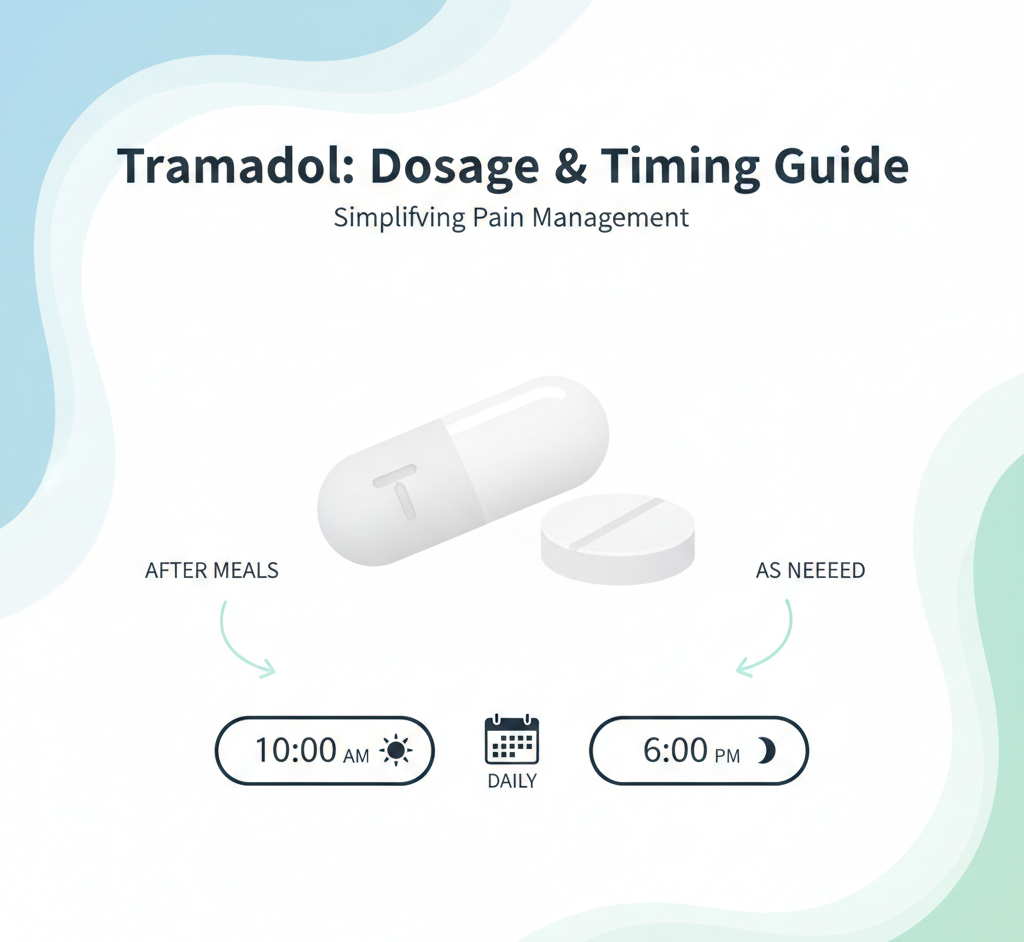
Understanding when to take this medication is just as important as understanding how much to take. Most patients are instructed to take it at regular intervals rather than waiting for pain to become unbearable. This approach maintains consistent pain control and reduces sudden spikes in discomfort.
Tramadol is usually taken with a full glass of water and can be taken with or without food. However, taking it with food may help reduce stomach upset. It should be taken exactly as prescribed, without increasing the dose or frequency on your own.
Extended-release forms should never be crushed or chewed, as this can release the medication too quickly and increase the risk of side effects.
Short-Term vs Long-Term Use
Short-term use is common after surgery or injury, typically lasting a few days to a couple of weeks. During this time, patients are closely monitored for effectiveness and tolerance. Long-term use may be considered for chronic pain conditions, but it requires careful oversight.
With longer use, the body may adapt to the medication, making it less effective over time. This is why regular follow-ups and dose adjustments are important. Patients should never stop taking Tramadol suddenly without consulting a healthcare provider, as this can lead to withdrawal symptoms.
Dosage Considerations and Individual Factors
Dosage is influenced by age, weight, liver function, kidney health, and other medications being taken. Older adults and those with certain medical conditions may require lower doses to reduce the risk of adverse effects.
Doctors often start patients on the lowest effective dose and adjust gradually. This approach minimizes side effects while ensuring adequate pain control. Taking more than prescribed does not improve relief and significantly increases safety risks.
Possible Side Effects and How to Manage Them
Like all prescription pain medications, side effects can occur. Common reactions may include dizziness, nausea, dry mouth, or drowsiness. These effects often improve as the body adjusts.
More serious side effects, such as breathing difficulties or severe confusion, require immediate medical attention. Combining Tramadol with alcohol or sedatives increases the risk of dangerous reactions and should be avoided.
Staying hydrated, eating light meals, and avoiding sudden movements can help manage mild side effects during early use.
Drug Interactions and Safety Precautions
This medication can interact with antidepressants, anxiety medications, sleep aids, and other pain treatments. These interactions may increase the risk of side effects or reduce effectiveness.
Patients should always inform their healthcare provider about all medications and supplements they are taking. This transparency ensures safe prescribing and reduces the risk of complications.
Driving or operating heavy machinery should be avoided until you understand how the medication affects you.
Dependence, Tolerance, and Responsible Use
Although considered less potent than some opioids, Tramadol still carries a risk of dependence if misused. Taking it exactly as prescribed and for the intended duration significantly reduces this risk.
Tolerance may develop with prolonged use, meaning higher doses are needed for the same effect. This is why doctors periodically reassess pain management plans and may recommend alternative therapies.
Responsible use includes never sharing medication and storing it securely away from others.
The Role of Online Pharmacies in Accessing Pain Treatment
Many patients today explore digital healthcare platforms for convenience and privacy. Reputable online pharmacy services provide access to prescription medications while emphasizing patient education, safety guidelines, and secure ordering systems.
Trusted platforms typically require appropriate medical information, offer customer support, and provide clear instructions for use. While convenience is valuable, patients should prioritize legitimacy and safety when choosing where to obtain prescription treatments.
Supporting Pain Management Beyond Medication
Medication alone is rarely the complete solution. Physical therapy, lifestyle adjustments, proper sleep, hydration, and stress management all contribute to effective pain control.
Patients who combine medical treatment with supportive care often experience better outcomes and reduced reliance on medication over time. Open communication with healthcare providers helps tailor pain management strategies to individual needs.
When to Speak With a Healthcare Provider
Any changes in pain intensity, side effects, or overall health should be discussed with a medical professional. If pain persists longer than expected or worsens, reevaluation may be necessary.
Never adjust dosage or stop taking Tramadol abruptly without guidance. Medical supervision ensures safe transitions and continued comfort.
Conclusion
Pain management requires knowledge, responsibility, and the right support. Understanding how and when to take prescription pain medication empowers patients to use it safely and effectively. When used as directed, Tramadol can play a valuable role in managing moderate pain while supporting daily function and recovery.
By following medical advice, staying informed, and using reputable healthcare resources, patients can achieve relief without unnecessary risk.
FAQ
Q1: How long does it take for pain relief to begin?
Most people begin to feel relief within one hour, though full effectiveness depends on dosage and individual response.
Q2: Can this medication be taken with food?
Yes, taking it with food may help reduce stomach discomfort without affecting absorption.
Q3: Is it safe for long-term pain conditions?
Long-term use may be appropriate for some patients but requires close medical supervision and regular review.
Q4: What should I do if I miss a dose?
Take it when you remember unless it is close to the next scheduled dose. Never double doses.
Q5: Can online pharmacies provide this medication safely?
Only trusted and properly regulated online pharmacy services should be considered for prescription treatments.





Products
-
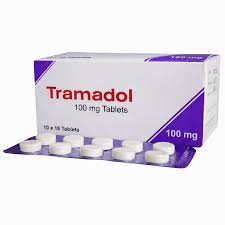
 TRAMADOL 100MG
Price range: $350.00 through $1,099.00
TRAMADOL 100MG
Price range: $350.00 through $1,099.00
-
Hydrocodone Acetaminophen 10-325mg
Price range: $399.00 through $435.00
-
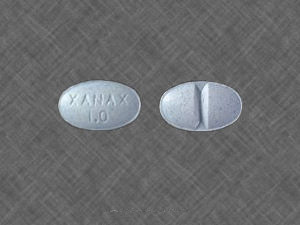
blue Xanax
Price range: $450.00 through $690.00
-
yellow Xanax Ro39 Pill
Price range: $399.00 through $450.00
-
Ksalol 1mg
Price range: $399.00 through $749.00




Leave a Reply