
Introduction
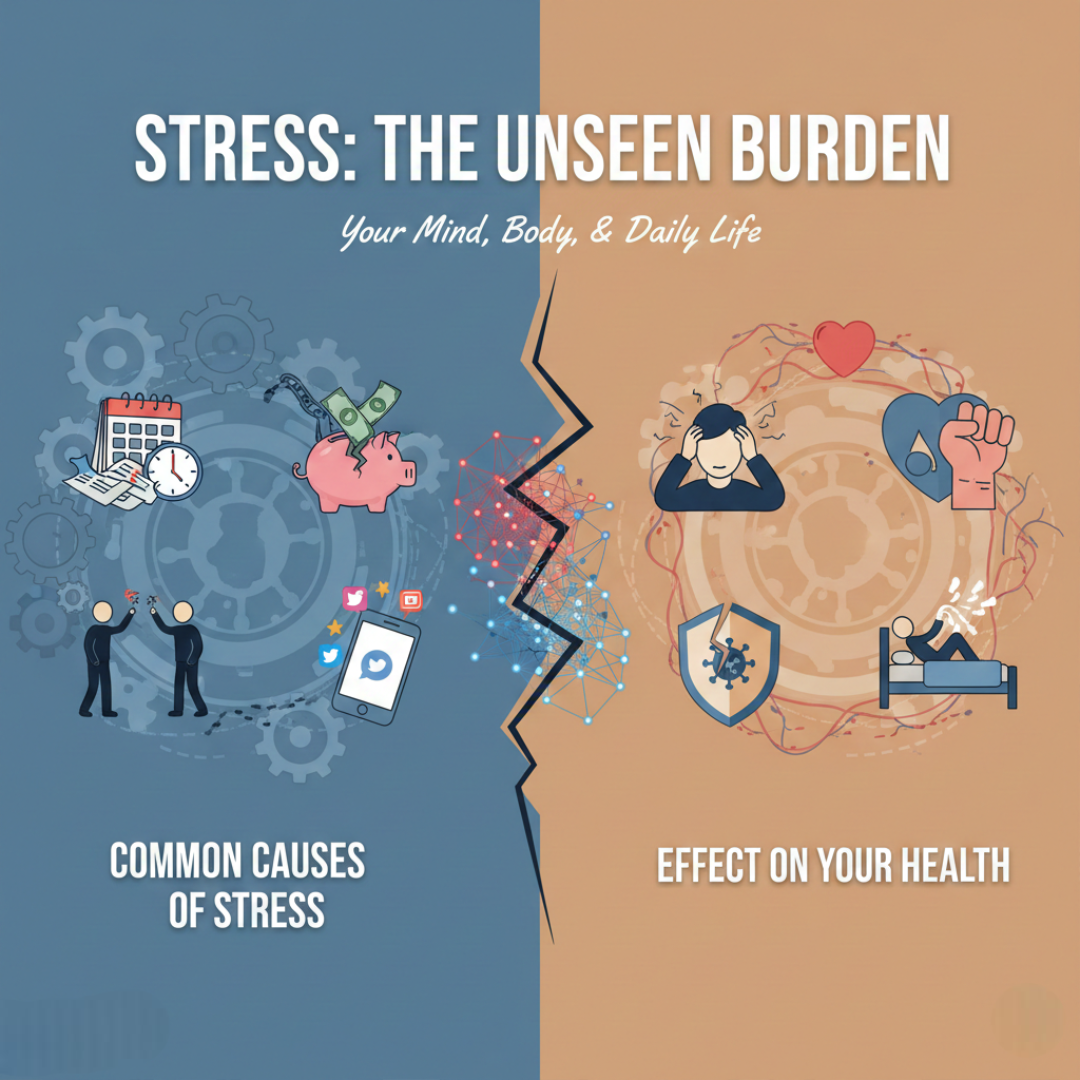
Stress has become an unavoidable part of modern life, affecting people across all age groups and lifestyles. Daily responsibilities, personal expectations, and external pressures often combine in ways that overwhelm the body and mind. Many individuals experience stress without fully understanding where it comes from or how deeply it influences their health.
The problem arises when stress is ignored or treated as normal. Ongoing pressure can quietly affect sleep, digestion, mood, and energy levels, eventually leading to physical discomfort and emotional exhaustion. Without recognizing the sources of stress, people may struggle to manage symptoms that gradually interfere with everyday functioning.
By understanding the common causes of stress and how they affect overall health, individuals can take proactive steps toward balance and well-being. Awareness is the first step in protecting both mental and physical health from the long-term effects of stress.
Understanding Stress and Its Origins
Stress causes refer to internal or external factors that trigger the body’s response to pressure or demand. These triggers vary widely depending on personal circumstances, environment, and coping ability. What feels manageable to one person may feel overwhelming to another.
Recognizing stress awareness helps individuals identify patterns and sources of tension before they escalate into more serious health concerns.
Daily Life Pressures as a Source of Stress
Routine responsibilities such as managing time, meeting expectations, and balancing obligations can gradually increase tension. These ongoing demands are often underestimated because they feel familiar.
Over time, repeated exposure to daily stressors can place strain on both emotional stability and physical health.
Work-Related Stress and Health Impact
Workplace stress is one of the most commonly reported stress sources. Deadlines, performance pressure, job insecurity, and long working hours can all contribute to ongoing strain.
When work stress remains unresolved, it may lead to burnout, fatigue, and decreased productivity, affecting overall occupational health.
Financial Concerns and Emotional Strain
Money-related worries often create persistent mental pressure. Concerns about income, expenses, or long-term security can significantly impact emotional well-being.
Ongoing financial stress can influence sleep quality, decision-making, and emotional balance, increasing vulnerability to health issues.
Relationship and Social Stress Factors
Interpersonal relationships can be both supportive and stressful. Conflicts, misunderstandings, or lack of communication often contribute to emotional tension.
Unresolved relationship stress may affect mood, self-esteem, and emotional resilience over time.
Family Responsibilities and Caregiving Stress
Caring for children, aging parents, or dependent family members can be emotionally and physically demanding. These responsibilities often come with limited time for self-care.
Prolonged caregiving stress can lead to exhaustion and reduced immune function if not properly managed.
Health-Related Stress and Uncertainty
Health concerns, whether personal or related to loved ones, are a major source of stress. Fear of diagnosis, treatment uncertainty, or ongoing symptoms can heighten anxiety.
Experiencing health anxiety can increase physical symptoms and affect overall quality of life.
Environmental and Lifestyle Stressors
Noise, overcrowding, pollution, and lack of personal space can create continuous low-level stress. Lifestyle imbalance may intensify these effects.
Exposure to environmental stress factors can influence mood, focus, and physical comfort.
Emotional and Psychological Causes of Stress
Internal pressures such as perfectionism, self-criticism, and unrealistic expectations often amplify stress responses. These patterns are shaped by experiences and beliefs.
Understanding emotional stress triggers allows individuals to address underlying thought patterns contributing to tension.
How Stress Affects the Nervous System
Stress activates the body’s alert system, preparing it to respond to perceived threats. While useful short-term, prolonged activation can disrupt balance.
Ongoing nervous system imbalance may result in fatigue, irritability, and difficulty relaxing.
Hormonal Changes Caused by Stress
Stress influences hormone release, particularly those related to alertness and energy regulation. When these hormones remain elevated, the body struggles to recover.
Persistent stress hormone effects can interfere with sleep, metabolism, and immune function.
Physical Health Effects of Chronic Stress
Long-term stress can affect multiple body systems. Muscle tension, digestive discomfort, and headaches are common physical responses.
The physical health impact of stress becomes more pronounced when recovery periods are insufficient.
Stress and Cardiovascular Health
Chronic stress may influence heart rate, blood pressure, and circulation. Emotional tension can place added strain on cardiovascular function.
Understanding stress and heart health highlights the importance of managing pressure for long-term wellness.
Digestive and Immune System Effects
Stress can disrupt digestion and weaken immune response. Changes in appetite and increased susceptibility to illness are often observed.
The connection between stress and immune system function underscores the need for early intervention.
Mental Health Consequences of Stress
Stress affects emotional stability and cognitive clarity. Prolonged exposure may contribute to feelings of overwhelm, irritability, or low mood.
Protecting mental health balance requires recognizing stress as a contributing factor rather than an isolated issue.
Sleep Disturbances Linked to Stress
Stress often interferes with the ability to fall or stay asleep. Poor sleep further increases sensitivity to stress, creating a cycle.
Maintaining sleep and stress balance supports emotional regulation and physical recovery.
Behavioral Changes Associated With Stress
Stress may alter behavior patterns, including withdrawal, irritability, or changes in eating habits. These responses are often unconscious.
Identifying stress-related behaviors allows for healthier coping choices.
Long-Term Health Risks of Unmanaged Stress
When stress continues without relief, it may contribute to long-term health complications. These risks increase when stress becomes normalized.
Understanding chronic stress effects emphasizes the importance of proactive management.
Stress Awareness and Prevention Strategies
Prevention begins with recognizing early signs and responding with supportive habits. Small lifestyle adjustments can significantly reduce overall stress.
Practicing stress prevention strategies helps maintain long-term health and resilience.
The Role of Education and Reliable Information
Access to accurate information empowers individuals to make healthier choices. Many people explore stress-related resources online during this process.
Health platforms such as Xanaxworld are often encountered while researching general wellness topics, making informed evaluation essential.
Navigating Online Health Resources Responsibly
Digital health information can be helpful when used thoughtfully. Verifying sources and understanding context protects against misinformation.
Responsible research supports better health decision awareness and personal safety.
Final Thoughts on Stress and Health Impact
Stress affects both mind and body in interconnected ways. Identifying its causes and understanding its health effects allows individuals to take meaningful steps toward balance.
When encountering online resources, including platforms like Xanaxworld, individuals should prioritize education, critical thinking, and professional guidance. Managing stress effectively supports a healthier, more sustainable quality of life.
FAQ
Q1: What are the most common causes of stress?
Work pressure, financial concerns, health issues, and relationship challenges are common stress sources.
Q2: How does stress affect physical health?
Stress can impact sleep, digestion, immunity, and cardiovascular function over time.
Q3: Can stress affect mental well-being?
Yes, prolonged stress can influence mood, focus, and emotional balance.
Q4: Is all stress harmful?
Short-term stress can be helpful, but long-term stress may lead to health problems.
Q5: How can stress be prevented?
Early awareness, lifestyle balance, and healthy coping strategies help reduce stress impact.





Products
-
 TRAMADOL 100MG
Price range: $350.00 through $1,099.00
TRAMADOL 100MG
Price range: $350.00 through $1,099.00
-
Hydrocodone Acetaminophen 10-325mg
Price range: $399.00 through $435.00
-
blue Xanax
Price range: $450.00 through $690.00
-
yellow Xanax Ro39 Pill
Price range: $399.00 through $450.00
-
Ksalol 1mg
Price range: $399.00 through $749.00











Leave a Reply