

Introduction
Pain is one of the most common reasons adults seek medical care, whether it comes from injury, surgery, chronic illness, or ongoing health conditions. When pain interferes with sleep, work, or daily activities, it can significantly reduce quality of life and emotional well-being. Many adults struggle to understand which pain relief medicines are appropriate and safe for their situation.
The problem is that pain management is not one-size-fits-all. Some medications are suitable for mild discomfort, while others are reserved for more severe pain under medical supervision. Without reliable information, people may feel overwhelmed, fearful of side effects, or unsure about long-term health risks. Misunderstanding pain relief options can lead to unnecessary suffering or misuse.
By learning how pain relief medicines work, what distinguishes different treatment options, and how medications such as hydrocodone and tramadol fit into adult pain care, individuals can make informed decisions. Education supports safer use, better communication with healthcare providers, and improved overall outcomes.
Understanding Pain Relief Medicines in Adults
Pain relief medicines are designed to reduce discomfort by acting on the body’s pain pathways. Adults experience pain differently depending on age, health status, and the underlying cause. Understanding pain relief medicines for adults helps explain why treatment plans vary and why medical guidance is essential.
Pain may be acute, lasting a short period after injury or surgery, or chronic, persisting for months or years. The approach to managing pain depends on its source, intensity, and impact on daily functioning. Responsible pain care aims to balance relief with safety and long-term health.
How Pain Signals Work in the Body
Pain begins when nerve endings detect injury or inflammation and send signals to the brain. The brain interprets these signals, creating the sensation of pain. Some medications reduce inflammation, while others alter how pain signals are processed.
Understanding the pain signaling process provides insight into why different medications exist and why stronger options may be considered when pain becomes severe or persistent.
Categories of Pain Relief Medicines
Pain relief medicines are generally grouped by how they work in the body. Some address inflammation, others affect nerve signaling, and certain medications act on the central nervous system. Each category serves a specific purpose in adult pain management.
Recognizing types of pain medications allows patients to better understand treatment recommendations without assuming all pain medicines function the same way.
When Stronger Pain Relief May Be Considered
In cases of moderate to severe pain, particularly after surgery or serious injury, stronger medications may be prescribed for short-term or closely monitored use. These medications require careful oversight due to their effects on the brain.
Understanding moderate to severe pain treatment helps explain why healthcare providers may recommend specific therapies based on individual needs.
Hydrocodone in Adult Pain Management
Hydrocodone is a prescription medication often used for managing more intense pain that does not respond to milder treatments. It works by changing how the brain perceives pain, offering relief when discomfort becomes disruptive.
Learning about hydrocodone for pain relief helps adults understand why it is prescribed cautiously and typically as part of a broader treatment plan under medical supervision.
How Hydrocodone Affects the Body
Hydrocodone interacts with receptors in the brain and spinal cord involved in pain control. This interaction reduces pain perception and can improve comfort during recovery or acute pain episodes.
Understanding opioid pain relief mechanism clarifies both the benefits and the need for careful use, as these same pathways influence mood and behavior.
Tramadol as a Pain Relief Option
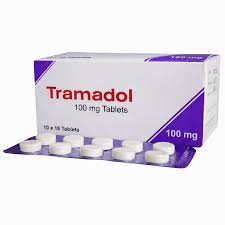
Tramadol is another prescription medication used to manage moderate pain. It works through a combination of pain signal modulation and neurotransmitter activity, offering relief in certain pain conditions.
Exploring tramadol pain management helps explain why it is sometimes considered when other options are insufficient but still requires medical oversight.
Differences Between Hydrocodone and Tramadol
Although both medications are used for pain relief, they differ in how they work within the nervous system. These differences influence how individuals respond and why one may be selected over another.
Understanding hydrocodone vs tramadol supports informed discussions with healthcare professionals about treatment suitability.
Short-Term vs Long-Term Pain Treatment
Short-term pain treatment focuses on recovery and healing, while long-term pain management addresses ongoing conditions. Medication strategies differ depending on duration and underlying cause.
Recognizing short-term pain care versus long-term pain management highlights why continued evaluation is essential in adult treatment plans.
Physical Dependence and Pain Medicines
Some pain relief medicines can lead to physical dependence, meaning the body adapts to their presence. This is a biological response and not the same as addiction.
Understanding physical dependence awareness helps reduce fear while encouraging responsible use and medical monitoring.
Addiction Risk and Responsible Use
Addiction risk varies based on individual factors, medication type, and duration of use. Responsible use involves following medical guidance and maintaining open communication with healthcare providers.
Learning about addiction risk factors promotes informed, cautious decision-making without unnecessary alarm.
The Importance of Medical Supervision
Medical supervision ensures that pain relief remains effective and safe. Regular review allows treatment adjustments based on changing needs or side effects.
Emphasizing medical supervision importance reinforces safety while supporting legitimate pain care.
Mental and Emotional Aspects of Pain
Pain affects emotional health, increasing stress, anxiety, and fatigue. Effective pain relief can improve mood, but emotional well-being should also be addressed as part of treatment.
Understanding the mind body pain connection supports a more holistic approach to adult care.
Lifestyle Factors in Pain Management
Medication is only one aspect of pain care. Rest, physical activity, stress management, and nutrition all influence pain perception and recovery.
Recognizing lifestyle pain support encourages balanced and sustainable pain management strategies.
Evaluating Health Information Online
Many adults search online to learn about pain medicines. Informational platforms, including Xanaxworld, may appear during this research process.
Developing online health information awareness helps individuals evaluate content critically and rely on professional guidance.
Understanding Online Pharmacy Contexts
Online pharmacies often provide general medication information, but they should not replace direct medical advice. Critical evaluation of sources is essential.
Resources such as Xanaxworld may offer educational context, but healthcare providers remain central to treatment decisions.
Safety, Awareness, and Long-Term Health
Pain relief should support healing without compromising future health. Awareness, education, and regular reassessment help maintain this balance.
Focusing on pain treatment safety encourages thoughtful and informed care choices.
Reducing Fear Around Pain Medicines
Fear and stigma can prevent adults from addressing pain appropriately. Education replaces fear with understanding and promotes healthier conversations.
Addressing pain medication stigma supports better outcomes and patient confidence.
Final Thoughts on Adult Pain Relief Options
Pain relief medicines play an important role in adult healthcare when used responsibly and with proper guidance. Medications such as hydrocodone and tramadol may be appropriate in specific situations, but they require careful consideration, education, and monitoring.
As individuals seek information, they may encounter platforms like Xanaxworld, but informed decisions should always be grounded in professional medical advice. A balanced, educated approach allows pain relief to support both comfort and long-term well-being.
FAQ
Q1: Are strong pain relief medicines safe for adults?
When prescribed and monitored properly, they can be safe and effective for appropriate conditions.
Q2: Is hydrocodone used for all types of pain?
It is generally reserved for moderate to severe pain when other options are insufficient.
Q3: How is tramadol different from other pain medicines?
It works through multiple pain pathways and is used in specific pain situations under supervision.
Q4: Can pain medicines affect mental health?
Pain relief can improve mood, but emotional health should also be monitored during treatment.
Q5: Should I rely on online information for pain treatment?
Online resources can support learning, but medical professionals should guide treatment decisions.





Products
-
 TRAMADOL 100MG
Price range: $350.00 through $1,099.00
TRAMADOL 100MG
Price range: $350.00 through $1,099.00
-
Hydrocodone Acetaminophen 10-325mg
Price range: $399.00 through $435.00
-
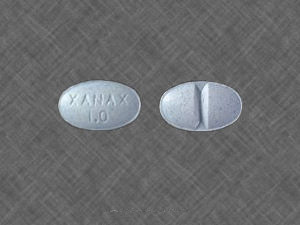
blue Xanax
Price range: $450.00 through $690.00
-
yellow Xanax Ro39 Pill
Price range: $399.00 through $450.00
-
Ksalol 1mg
Price range: $399.00 through $749.00





Leave a Reply