Introduction
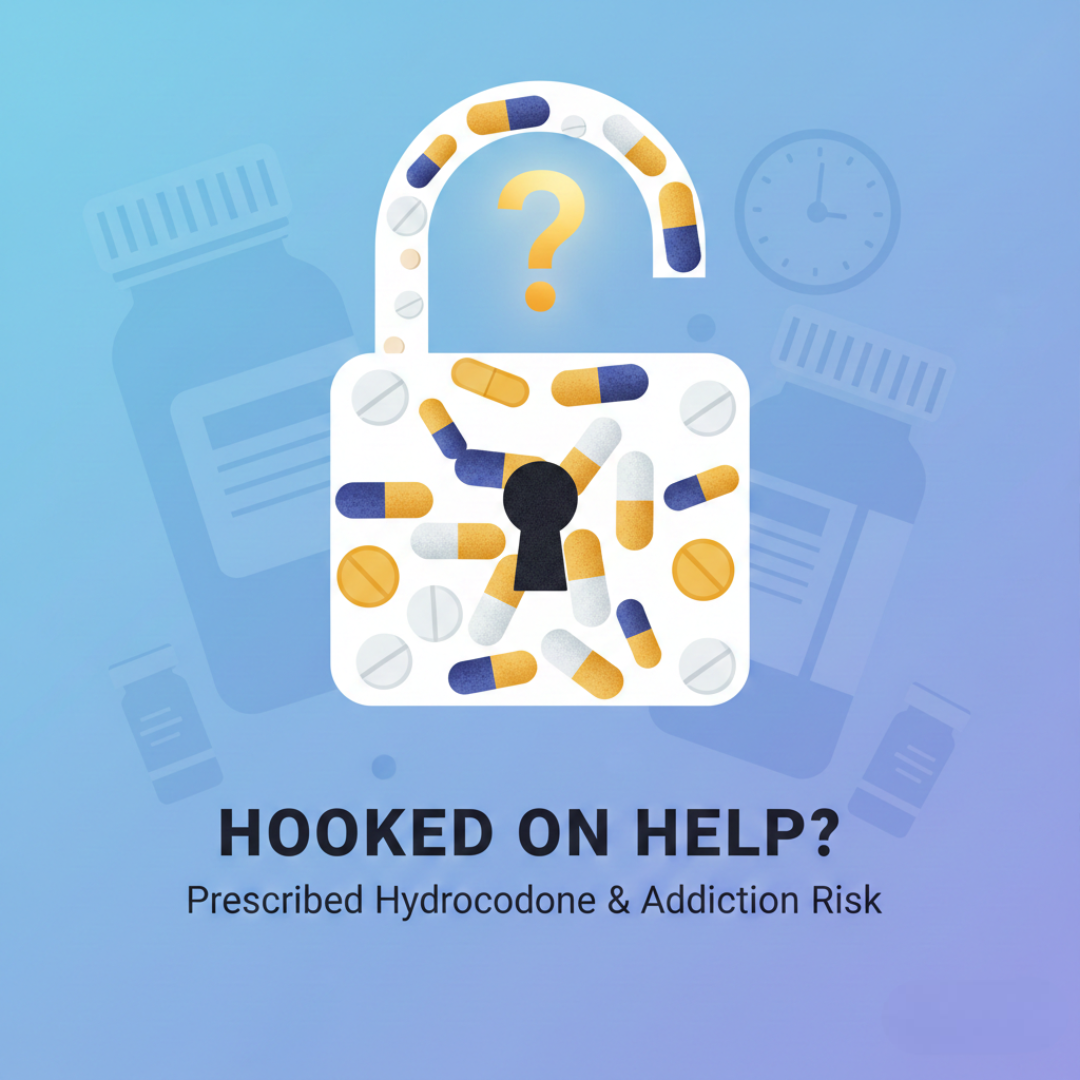
Many people prescribed pain medication worry about an important and understandable question: can taking a medication as directed still lead to addiction? When pain disrupts daily life, treatment is often necessary, but concerns about dependence, tolerance, and long-term effects can create anxiety and confusion. This uncertainty may cause people to underuse prescribed treatment or fear necessary care.
The challenge is that pain relief medications affect the brain’s reward and pain pathways, which means even responsible use deserves careful understanding. Without clear, balanced information, people may rely on myths or incomplete advice that either exaggerates or minimizes real risks. This lack of clarity can lead to poor decision-making, fear, or stigma around legitimate pain treatment.
By understanding how hydrocodone Medication works, what addiction truly means, and how risk factors differ between individuals, patients can make informed, confident decisions. Education empowers people to manage pain responsibly while protecting long-term health.
Understanding Hydrocodone as a Prescription Medication
Hydrocodone is a prescription medication commonly used to manage moderate to severe pain. It belongs to a class of medications known for their ability to reduce pain perception by interacting with the central nervous system.
Understanding hydrocodone medication overview helps explain why it is effective for pain relief and why careful use is essential for safety and health.
How Hydrocodone Medication Works in the Body
This medication influences pain signals by acting on specific receptors in the brain and spinal cord. These receptors are involved in both pain relief and the experience of reward.
The way hydrocodone affects pain relief mechanism explains why it can provide comfort while also requiring caution when used over time.
What Addiction Really Means
Addiction is a complex medical condition, not a moral failure. It involves changes in brain function that affect behavior, decision-making, and impulse control.
Understanding opioid addiction definition helps separate fear-based assumptions from medical reality and reduces stigma around treatment discussions.
Dependence vs Addiction: Understanding the Difference
Physical dependence means the body adapts to a medication, while addiction involves compulsive use despite harm. These terms are often confused but represent different processes.
Recognizing physical dependence vs addiction allows patients to discuss concerns openly with healthcare professionals.
Can Addiction Occur at Prescribed Doses?
Addiction risk varies from person to person. While many individuals use prescribed medication without developing addiction, risk is not zero for everyone.
Understanding addiction risk factors helps explain why careful monitoring and communication matter, even during prescribed use.
Factors That Influence Addiction Risk
Several factors influence how individuals respond to medications, including genetics, mental health, and previous substance exposure.
Awareness of individual risk factors allows for personalized, safer pain management strategies.
The Role of Duration in Medication Use
Length of use plays a role in how the body adapts. Longer exposure increases the likelihood of physical changes that require medical oversight.
Understanding long-term use considerations emphasizes the importance of regular evaluation during treatment.
Tolerance and Its Effects
Tolerance occurs when the body becomes accustomed to a medication’s effects. This does not automatically mean addiction but does require careful management.
Recognizing tolerance development helps patients understand why treatment plans may change over time.
Psychological Aspects of Medication Use
Pain relief can affect emotional well-being, especially when pain relief improves daily functioning. This emotional relief can influence perception of medication benefits.
Understanding psychological dependence risks supports balanced, mindful use of treatment.
Warning Signs That Require Medical Attention
Changes in behavior, mood, or use patterns may indicate a need for reassessment. Early recognition supports safer outcomes.
Awareness of early warning signs encourages proactive communication with healthcare providers.
The Importance of Medical Supervision
Professional oversight ensures that benefits outweigh risks. Regular check-ins allow treatment to adapt to changing needs.
Emphasizing medical supervision importance reinforces safety without discouraging legitimate pain care.
Mental Health and Pain Management
Pain and mental health are closely connected. Anxiety, depression, or stress can influence how pain is experienced and managed.
Understanding mental health connection supports a holistic approach to treatment.
Reducing Risk Through Education
Knowledge empowers patients to engage actively in their care. Understanding risks leads to better communication and decision-making.
Supporting patient education strengthens trust and safety in treatment plans.
Responsible Use and Health Awareness
Responsibility involves awareness, consistency, and openness with healthcare professionals. This approach reduces misunderstandings and fear.
Practicing responsible medication use protects both short-term comfort and long-term health.
The Role of Support Systems
Family, caregivers, and healthcare teams all contribute to safe pain management. Open discussion reduces isolation and stigma.
Building support system involvement improves outcomes and emotional well-being.
Online Health Information and Pain Medication
Many people seek information online to better understand prescriptions. General health platforms, including Xanaxworld, are often encountered during this research phase.
Practicing online health literacy helps individuals evaluate information responsibly.
Understanding Online Pharmacy Contexts
Online pharmacies may provide general medication information but should never replace professional guidance.
Evaluating resources like Xanaxworld with critical awareness supports safer learning and decision-making.
Long-Term Health Perspective
Pain management should align with long-term wellness goals. Regular reassessment ensures treatment remains appropriate and safe.
Focusing on long-term health outcomes encourages balanced care decisions.
Reducing Stigma Around Pain Treatment
Fear of addiction can prevent people from seeking necessary care. Education helps replace fear with understanding.
Addressing pain treatment stigma supports healthier conversations and outcomes.
Final Thoughts on Addiction Risk and Prescribed Use
Using prescribed medication responsibly requires understanding, communication, and trust. While addiction risk exists, it is influenced by many factors and can often be managed through education and medical oversight.
When researching medication information online, individuals may encounter platforms such as Xanaxworld, but professional guidance should always remain central to treatment decisions. Informed awareness helps patients protect both pain relief and long-term well-being.
FAQ
Q1: Can addiction occur if I follow my prescription?
Risk varies by individual, and following medical guidance significantly reduces the chance of addiction.
Q2: Is dependence the same as addiction?
No, dependence involves physical adaptation, while addiction includes behavioral and psychological components.
Q3: What increases addiction risk?
Personal history, mental health factors, and duration of use can influence risk.
Q4: Should I stop medication if I’m worried?
Concerns should be discussed with a healthcare professional before making changes.
Q5: Why is education important for pain treatment?
Understanding risks and benefits helps patients use medication safely and confidently.





Products
-
 TRAMADOL 100MG
Price range: $350.00 through $1,099.00
TRAMADOL 100MG
Price range: $350.00 through $1,099.00
-
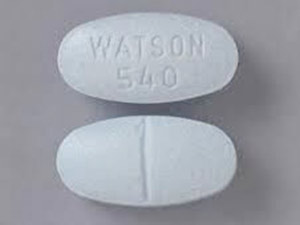 Hydrocodone Acetaminophen 10-325mg
Price range: $399.00 through $435.00
Hydrocodone Acetaminophen 10-325mg
Price range: $399.00 through $435.00
-
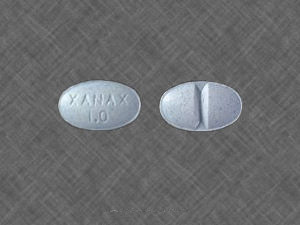 blue Xanax
Price range: $450.00 through $690.00
blue Xanax
Price range: $450.00 through $690.00
-
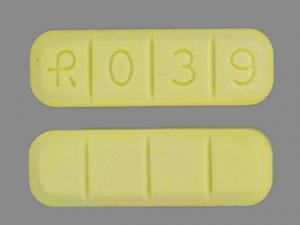 yellow Xanax Ro39 Pill
Price range: $399.00 through $450.00
yellow Xanax Ro39 Pill
Price range: $399.00 through $450.00
-
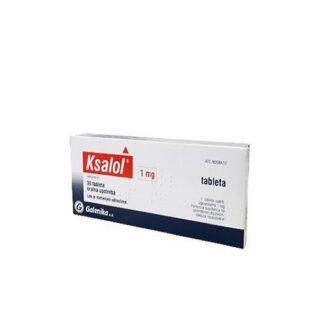 Ksalol 1mg
Price range: $399.00 through $749.00
Ksalol 1mg
Price range: $399.00 through $749.00

Leave a Reply