Introduction :
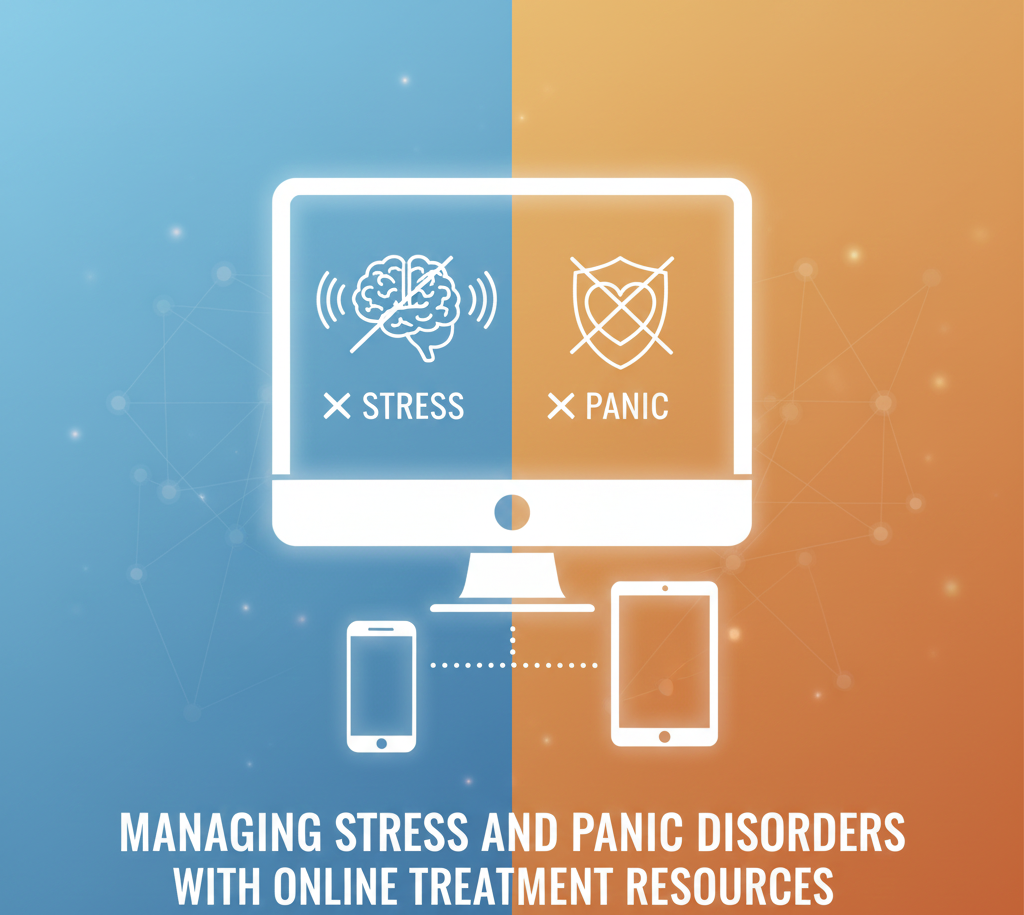
Stress has become so common that many people treat it like background noise—always there, always demanding attention. The problem begins when ongoing stress evolves into panic disorders, sudden anxiety attacks, and constant fear that disrupts everyday functioning. The agitation intensifies as unmanaged stress and panic begin to affect work performance, sleep quality, relationships, and physical health, leaving individuals feeling trapped in a cycle they can’t escape. Missed opportunities, emotional exhaustion, and loss of confidence often follow. The solution lies in managing stress effectively and using online treatment resources that provide accessible, professional, and structured support to regain control and restore emotional balance.
Understanding Stress in Modern Life
Stress is a natural response to challenges, but modern lifestyles keep the body in a constant state of alert. Work deadlines, financial pressure, digital overload, and personal responsibilities all contribute to chronic stress. When stress is short-term, the body recovers. When it becomes constant, it starts affecting mental and physical health.
Managing stress requires recognizing that it’s not just an emotional experience—it’s a physiological one. Prolonged stress alters sleep patterns, weakens focus, increases irritability, and lowers resilience. Over time, this constant pressure can open the door to anxiety conditions, including panic disorders.
What Are Panic Disorders and How Do They Develop?
Panic disorders are characterized by sudden, intense episodes of fear known as panic attacks. These episodes may include rapid heartbeat, shortness of breath, dizziness, chest tightness, sweating, and a fear of losing control. Unlike everyday stress, panic attacks often appear without warning, making them especially distressing.
When stress remains unmanaged for long periods, the nervous system becomes overly sensitive. This heightened sensitivity can trigger panic responses even in non-threatening situations. Understanding this connection is essential for managing stress and preventing panic disorders from taking over daily life.
How Stress and Panic Disorders Affect Daily Life
Stress and panic disorders don’t stay confined to isolated moments—they spill into every part of life. Work becomes harder when concentration fades and fear of panic interferes with performance. Social situations may feel overwhelming, leading to avoidance and isolation.
Daily routines like commuting, shopping, or attending meetings can become sources of anxiety. Over time, people may structure their lives around avoiding panic triggers, which limits independence and personal growth. This avoidance often reinforces fear, making symptoms stronger rather than weaker.
The Physical Toll of Chronic Stress and Panic
Chronic stress and panic disorders place heavy strain on the body. Persistent muscle tension, headaches, digestive issues, fatigue, and weakened immunity are common. Many people seek treatment for physical symptoms without realizing stress is the root cause.
Panic attacks can mimic serious medical conditions, causing fear of underlying illness. While medical evaluation is important, recognizing the stress-panic connection helps guide effective treatment and reduces unnecessary fear.
Emotional and Mental Health Impact
Emotionally, long-term stress can drain motivation and joy. Panic disorders add another layer of fear—the fear of fear itself. Individuals may constantly scan their bodies for signs of an impending attack, which increases anxiety.
This hypervigilance affects emotional regulation, leading to mood swings, frustration, and feelings of helplessness. Managing stress early can prevent these emotional patterns from becoming deeply ingrained.
Why Managing Stress Is Critical for Recovery
Managing stress is not just about relaxation—it’s about restoring balance to the nervous system. Without stress management, panic disorder treatment becomes more challenging. Effective stress management reduces symptom intensity, improves emotional resilience, and supports long-term recovery.
Stress management also empowers individuals. Instead of feeling controlled by symptoms, people learn to respond proactively, rebuilding confidence and independence.
The Role of Online Treatment Resources
Online treatment resources have transformed how people access mental health care. Virtual platforms allow individuals to seek professional support without long wait times, travel barriers, or social discomfort. These resources play a critical role in managing stress and panic disorders consistently.
Online treatment resources include telehealth consultations, guided therapy programs, educational tools, and ongoing monitoring. They are especially helpful for people who need flexible, discreet, and reliable care.
Online Therapy for Stress and Panic Disorders
Online therapy has become one of the most effective tools for managing stress and panic disorders. Licensed professionals use evidence-based approaches to help individuals understand triggers, challenge fearful thoughts, and develop coping strategies.
Therapy sessions conducted online follow the same professional standards as in-person care. The difference lies in accessibility. People can engage in therapy from home, making it easier to maintain consistency—an essential factor in recovery.
Medication Support Through Online Treatment Resources
In some cases, managing stress and panic disorders may involve medication as part of a broader treatment plan. Online treatment resources allow individuals to consult qualified healthcare providers who assess symptoms, medical history, and severity before recommending medication.
Medication can help stabilize symptoms, reduce panic frequency, and support emotional regulation. When combined with therapy and stress-management techniques, medication often enhances overall treatment effectiveness.
Education and Self-Management Tools Online
One of the most powerful aspects of online treatment resources is education. Learning how stress and panic work reduces fear and uncertainty. Educational tools help individuals understand their symptoms, identify triggers, and track progress over time.
Self-management resources such as guided exercises, breathing techniques, and stress-reduction practices empower individuals to take an active role in recovery. These tools reinforce therapy and medication, creating a comprehensive care experience.
Benefits of Online Treatment Resources
Online treatment resources offer flexibility that traditional care often lacks. Appointments can be scheduled around work and personal commitments, reducing treatment interruptions. Privacy also encourages people to seek help earlier, before symptoms escalate.
Cost efficiency is another benefit. Reduced travel and streamlined services make managing stress and panic disorders more accessible for many individuals. This accessibility supports long-term engagement, which is essential for lasting improvement.
Safety, Professional Oversight, and Quality Care
Reputable online treatment resources prioritize safety and professional oversight. Licensed providers follow clinical guidelines, conduct thorough assessments, and monitor progress regularly. This ensures that managing stress and panic disorders remains safe and effective.
Patients are encouraged to communicate openly, follow treatment recommendations, and attend follow-ups. Responsible use of online resources leads to better outcomes and sustained improvement.
Overcoming Common Concerns About Online Treatment
Some people worry that online care may feel impersonal or less effective. In reality, many individuals report stronger engagement due to comfort and convenience. Online platforms also offer continuity, which helps build trust between patients and providers.
Understanding how online treatment resources work helps reduce hesitation and empowers individuals to make informed decisions about their mental health care.
Integrating Lifestyle Changes with Online Care
Managing stress and panic disorders works best when online treatment resources are combined with healthy lifestyle changes. Regular physical activity, balanced nutrition, consistent sleep routines, and reduced digital overload all support recovery.
Online providers often guide patients in building sustainable habits that reinforce treatment. These changes strengthen resilience and reduce vulnerability to future stress.
Long-Term Management and Relapse Prevention
Stress and panic disorders may fluctuate over time, but long-term management is achievable. Online treatment resources support ongoing care, helping individuals recognize early warning signs and respond proactively.
Relapse prevention focuses on maintaining coping skills, stress awareness, and treatment consistency. With proper support, setbacks become manageable rather than overwhelming.
The Future of Stress and Panic Disorder Treatment
Digital healthcare continues to evolve, offering more personalized and integrated solutions. Advances in technology, secure data systems, and adaptive treatment models are shaping a future where managing stress becomes more proactive and individualized.
Online treatment resources will continue to play a central role in expanding access, improving outcomes, and normalizing mental health care worldwide.
Conclusion
Managing stress and panic disorders is not about eliminating all challenges—it’s about building the tools and support needed to navigate them effectively. When stress and panic begin to affect daily life, online treatment resources offer a practical, accessible, and professional solution. By combining therapy, education, medication when appropriate, and lifestyle support, individuals can regain control, confidence, and emotional stability. With the right approach, recovery is not just possible—it’s sustainable.
FAQ
How do I know if stress is turning into a panic disorder?
If stress leads to sudden panic attacks, persistent fear, or avoidance behaviors, professional evaluation is recommended.
Are online treatment resources effective for panic disorders?
Yes, when provided by licensed professionals, online treatment resources are effective for managing stress and panic disorders.
Can online therapy replace in-person treatment?
Online therapy complements traditional care and is effective for many people, though some cases may require in-person support.
Is medication necessary for managing panic disorders?
Not always. Some individuals improve with therapy and stress management alone, while others benefit from medication support.
Who benefits most from online treatment resources?
Individuals seeking flexible, private, and consistent support for managing stress and panic disorders benefit greatly from online care.



Products
-
 TRAMADOL 100MG
Price range: $350.00 through $1,099.00
TRAMADOL 100MG
Price range: $350.00 through $1,099.00
-
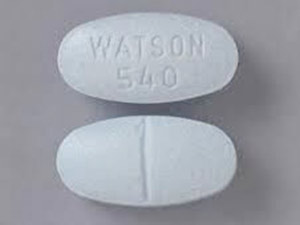 Hydrocodone Acetaminophen 10-325mg
Price range: $399.00 through $435.00
Hydrocodone Acetaminophen 10-325mg
Price range: $399.00 through $435.00
-
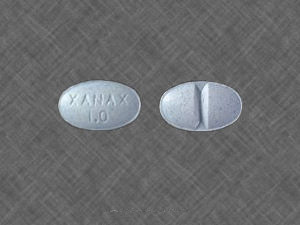 blue Xanax
Price range: $450.00 through $690.00
blue Xanax
Price range: $450.00 through $690.00
-
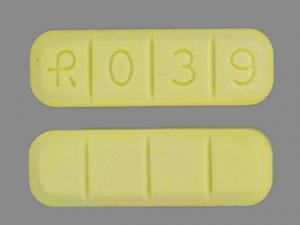 yellow Xanax Ro39 Pill
Price range: $399.00 through $450.00
yellow Xanax Ro39 Pill
Price range: $399.00 through $450.00
-
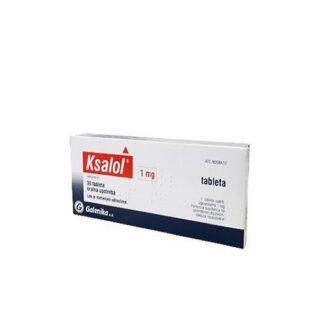 Ksalol 1mg
Price range: $399.00 through $749.00
Ksalol 1mg
Price range: $399.00 through $749.00

Leave a Reply