

Introduction :
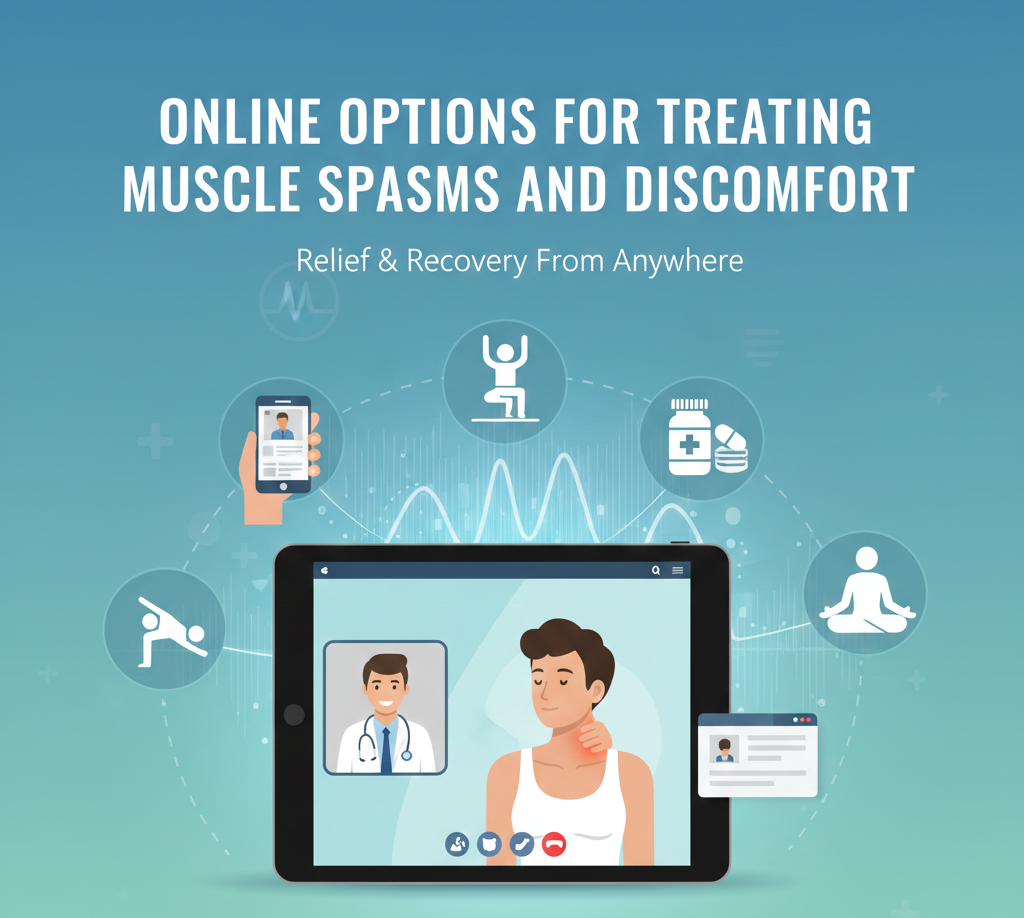
Muscle spasms and persistent physical discomfort can interfere with everyday life in ways many people underestimate. Sudden tightening, cramping, or involuntary muscle contractions can affect sleep, work productivity, mobility, and overall well-being. For individuals seeking relief, modern digital healthcare solutions have created new pathways for accessing information, guidance, and treatment resources without immediate in-person visits. Understanding these options can help individuals make informed, safer decisions about managing muscle-related conditions in a responsible manner.
Muscle spasms often appear without warning, causing sharp pain, stiffness, or restricted movement. Whether triggered by injury, overuse, dehydration, or underlying medical conditions, these episodes can disrupt daily routines and reduce quality of life. The frustration grows when discomfort becomes recurrent or chronic, leaving individuals searching for dependable solutions. Fortunately, advances in digital healthcare now offer a range of online pathways designed to support muscle health, provide education, and facilitate appropriate treatment options under medical guidance.
Understanding Muscle Spasms and Physical Discomfort
Muscle spasms occur when muscle fibers contract involuntarily and fail to relax. These contractions may last for seconds or persist for extended periods, sometimes accompanied by pain or visible twitching. Spasms can develop in any muscle group, but they are especially common in the neck, lower back, shoulders, calves, and thighs.
Physical discomfort related to muscle spasms may stem from fatigue, poor posture, electrolyte imbalances, or nerve irritation. In some cases, spasms serve as warning signs of broader musculoskeletal issues. Learning the underlying causes is essential to selecting appropriate muscle spasm treatment strategies and preventing recurrence.
Common Causes Behind Muscle Spasms
Several factors contribute to muscle spasms and discomfort. Dehydration can reduce electrolyte levels needed for proper muscle contraction and relaxation. Overuse or repetitive strain can overload muscle fibers, leading to fatigue and tightening. Nerve compression or inflammation may also disrupt muscle signaling, resulting in involuntary contractions.
Medical conditions such as spinal disorders, circulation issues, or metabolic imbalances can further increase susceptibility. Addressing these root causes through proper muscle pain relief planning and lifestyle changes often improves outcomes and reduces reliance on short-term fixes.
The Role of Digital Healthcare in Muscle Care
Digital healthcare platforms have transformed how people access health-related information and support. Instead of immediately visiting a clinic, individuals can explore educational resources, consult licensed professionals online, and receive guidance tailored to their symptoms. These services offer structured approaches to managing discomfort while emphasizing safety and proper usage.
Online platforms often support early intervention by helping users understand when muscle spasms are temporary versus when professional evaluation is necessary. This balance between convenience and responsibility has made online muscle spasm help increasingly relevant in modern healthcare discussions.
Educational Resources and Symptom Awareness
Many online health platforms provide detailed educational materials explaining muscle function, causes of spasms, and prevention strategies. These resources empower users to recognize patterns in their discomfort and make informed decisions about lifestyle adjustments.
Guides focused on muscle spasm causes often emphasize hydration, posture correction, ergonomic adjustments, and proper warm-up techniques. Awareness reduces unnecessary anxiety and helps individuals differentiate between minor discomfort and symptoms requiring medical attention.
Remote Consultations and Medical Guidance
One of the most significant advancements in online healthcare is access to remote consultations. Licensed medical professionals can evaluate symptoms through virtual appointments, review medical history, and recommend appropriate next steps. This approach supports responsible decision-making while minimizing unnecessary exposure or travel.
Remote care allows for personalized advice regarding muscle spasm remedies, physical therapy recommendations, and when further diagnostic testing may be necessary. For many individuals, this level of access improves early management and reduces long-term complications.
Treatment Approaches Commonly Discussed Online
Online healthcare discussions often cover a range of treatment approaches aimed at reducing discomfort and restoring muscle function. These approaches typically emphasize balance, safety, and gradual improvement rather than instant relief.
Options may include stretching routines, hydration strategies, nutritional guidance, and supervised use of medical therapies when appropriate. Information surrounding muscle relaxant medications is often presented with caution, emphasizing the importance of professional oversight and correct usage.
Managing Acute vs. Chronic Muscle Discomfort
Acute muscle spasms often arise suddenly and resolve within a short period, especially when addressed promptly. Chronic muscle discomfort, however, may persist for weeks or months and require a structured management plan. Online resources frequently differentiate between these two patterns to guide expectations and treatment timelines.
For long-term concerns, strategies related to chronic muscle pain management often involve lifestyle modifications, physical therapy, and ongoing monitoring. Digital platforms can support consistency by offering follow-up resources and progress tracking.
The Importance of Muscle Relaxation Techniques
Relaxation techniques play a critical role in managing muscle spasms and discomfort. Stress and tension can exacerbate muscle tightening, making relaxation an essential component of treatment. Online guides often introduce breathing exercises, gentle stretching routines, and mindfulness practices aimed at reducing involuntary contractions.
Incorporating muscle relaxation therapy into daily routines can improve circulation, reduce stiffness, and enhance overall mobility. These techniques are particularly beneficial for individuals experiencing stress-related muscle tension.
Physical Therapy Support Through Online Platforms
Physical therapy has long been recognized as an effective approach for muscle rehabilitation. Many online platforms now provide guided exercises, video demonstrations, and virtual consultations with trained therapists. This accessibility allows individuals to follow structured programs from home while maintaining professional oversight.
Resources focused on physical therapy for muscle spasms often emphasize gradual strengthening, flexibility improvement, and posture correction. Consistency and proper technique remain essential to achieving lasting relief.
Addressing Back, Neck, and Leg Muscle Issues
Certain muscle groups are more prone to spasms due to daily strain and posture habits. Lower back discomfort often results from prolonged sitting or improper lifting techniques. Neck and shoulder spasms may develop from stress or screen-related posture issues. Leg cramps frequently occur due to dehydration or circulation challenges.
Online educational materials addressing back muscle spasms, neck muscle tension, and leg muscle cramps help users tailor prevention and treatment strategies to specific areas of concern.
Lifestyle Factors Influencing Muscle Health
Lifestyle choices significantly impact muscle function and recovery. Poor sleep, inadequate hydration, and sedentary habits can increase the likelihood of spasms. Online wellness content often highlights the importance of balanced nutrition, regular movement, and stress management.
Guidance related to muscle recovery support typically encourages consistent sleep schedules, proper hydration, and mindful physical activity. These foundational habits enhance the effectiveness of any additional interventions.
Safety and Responsible Use of Medical Options
While online platforms may discuss medical treatment options, responsible use remains a central theme. Educational content consistently emphasizes that certain therapies require professional evaluation and oversight to minimize risks.
Information related to prescription muscle relief is often framed within safety guidelines, highlighting dosage accuracy, potential interactions, and the importance of medical supervision. This approach supports informed decision-making rather than self-medication.
The Value of Professional Oversight
Professional oversight ensures that muscle spasm treatment aligns with an individual’s health history and current condition. Online healthcare models increasingly integrate follow-up consultations and progress assessments to maintain continuity of care.
Through virtual support, individuals can adjust treatment plans based on response and avoid unnecessary complications. This structured approach enhances trust in online healthcare for pain solutions while prioritizing patient safety.
Preventing Future Muscle Spasms
Prevention remains one of the most effective strategies for managing muscle spasms. Online educational resources frequently emphasize proactive measures, including regular stretching, ergonomic adjustments, and hydration awareness.
Content focused on muscle spasm prevention encourages individuals to listen to their bodies, avoid overexertion, and seek guidance when discomfort becomes persistent. Prevention reduces reliance on reactive treatments and supports long-term muscle health.
Balancing Convenience and Health Responsibility
The convenience of online healthcare should never replace responsible health practices. Reliable platforms emphasize informed consent, transparent information, and appropriate referrals when in-person care is necessary.
Discussions surrounding safe pain management online often highlight the importance of choosing reputable resources, understanding limitations, and prioritizing well-being over quick fixes.
Conclusion
Muscle spasms and discomfort can significantly affect daily life, but modern digital healthcare has expanded access to education, guidance, and support. By understanding causes, exploring responsible online options, and prioritizing professional oversight, individuals can manage muscle-related concerns more effectively. A balanced approach that combines awareness, lifestyle adjustments, and informed treatment decisions offers the best path toward lasting comfort and improved mobility.
FAQ
Q1: What causes frequent muscle spasms?
Muscle spasms can result from dehydration, overuse, poor posture, or nerve irritation. Persistent spasms may require professional evaluation.
Q2: Can online healthcare help with muscle discomfort?
Yes, online platforms can provide education, remote consultations, and guided therapy resources under medical supervision.
Q3: Are muscle relaxant options discussed online safe?
Information is typically educational and emphasizes responsible use with professional oversight rather than self-treatment.
Q4: How can I prevent muscle spasms naturally?
Regular stretching, hydration, balanced nutrition, and stress reduction are commonly recommended preventive strategies.
Q5: When should I seek professional help for muscle pain?
If discomfort is severe, recurring, or interferes with daily activities, professional medical guidance is strongly advised.





Products
-
 TRAMADOL 100MG
Price range: $350.00 through $1,099.00
TRAMADOL 100MG
Price range: $350.00 through $1,099.00
-
 Hydrocodone Acetaminophen 10-325mg
Price range: $399.00 through $435.00
Hydrocodone Acetaminophen 10-325mg
Price range: $399.00 through $435.00
-
 blue Xanax
Price range: $450.00 through $690.00
blue Xanax
Price range: $450.00 through $690.00
-
 yellow Xanax Ro39 Pill
Price range: $399.00 through $450.00
yellow Xanax Ro39 Pill
Price range: $399.00 through $450.00
-
 Ksalol 1mg
Price range: $399.00 through $749.00
Ksalol 1mg
Price range: $399.00 through $749.00

Leave a Reply