
Introduction
Anxiety disorders are among the most common mental health conditions worldwide, affecting millions of people across different age groups. Many individuals search for anxiety disorders drugs, drugs for anxiety, and a reliable anxiety tablets list to better understand treatment options.
Anxiety can manifest as persistent worry, restlessness, panic attacks, sleep disturbances, or physical symptoms like a racing heart and sweating. Fortunately, a wide range of anxiety medication options exist today. These include antidepressants, sedatives, antihistamines, and even therapy combinations that help individuals manage symptoms effectively.
This guide explores what are the top 10 medications for anxiety, explaining how they work, when they’re prescribed, and their benefits. Whether you are looking for popular anxiety medicine, low dose anxiety medication names, or fast acting anti anxiety meds, this comprehensive overview will help you understand the available treatments.
1. Selective Serotonin Reuptake Inhibitors (SSRIs)
SSRIs are considered first-line anxiety drugs and are widely prescribed for generalized anxiety disorder (GAD), panic disorder, social anxiety, and depression. These drugs for anxiety and depression increase serotonin levels in the brain, helping regulate mood and emotional stability.
Common examples:
- Fluoxetine (Prozac)
- Sertraline (Zoloft)
- Escitalopram (Lexapro)
SSRIs are often included in any medication for anxiety list because of their effectiveness and relatively favorable safety profile. They may take several weeks to show benefits but are considered among the least side effects anti anxiety medication options for long-term use.
These medications are also frequently used as anxiety medications for teens under medical supervision, making them part of many common mental health medications treatment plans.
2. Serotonin-Norepinephrine Reuptake Inhibitors (SNRIs)
SNRIs are another category of most common anxiety drugs that work by increasing both serotonin and norepinephrine. This dual mechanism can improve energy, focus, and mood while reducing anxiety symptoms.
Popular examples:
- Venlafaxine (Effexor XR)
- Duloxetine (Cymbalta)
These medications are included in many anti anxiety drug list resources because they are effective for panic disorder, social anxiety, and generalized anxiety. They are especially beneficial for individuals experiencing both physical and emotional symptoms of anxiety.
SNRIs may also be used as part of best mood stabilizer for anxiety strategies when mood instability accompanies anxiety disorders.
3. Benzodiazepines
Benzodiazepines are well known fast acting anxiety medications that provide rapid symptom relief by enhancing GABA activity in the brain. They are commonly prescribed for acute anxiety episodes, panic attacks, and situational anxiety.
Examples include:
- Lorazepam (Ativan)
- Clonazepam (Klonopin)
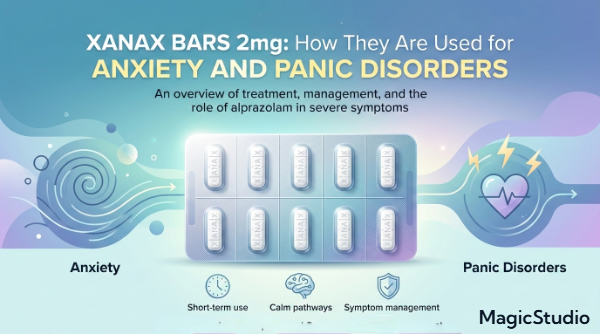
- Alprazolam (Xanax)
Under this category, widely searched options such as xanax 1mg, blue xanax, ksalol 1mg, and yellow xanax ro39 pill fall within alprazolam-based formulations. These medications are often considered fast acting anti anxiety solutions due to their quick calming effect.
Because of dependence risk, benzodiazepines are usually prescribed short-term. However, they remain part of many meds for anxiety discussions and are often used as drugs for flying anxiety, dental anxiety, or sudden panic episodes.
4. Buspirone
Buspirone is a non-sedative medication specifically designed for anxiety management. Unlike benzodiazepines, it does not cause significant sedation or dependence, making it a valuable option within many list anxiety medications resources.
Buspirone works on serotonin and dopamine receptors, offering gradual symptom relief. It is frequently chosen by individuals seeking anxiety and stress relief pills with fewer side effects.
Because of its favorable safety profile, Buspirone is sometimes considered among anti anxiety meds for elderly, especially when sedation must be avoided.
5. Beta-Blockers
Beta-blockers are primarily cardiovascular medications, but they play a role in controlling the physical symptoms of anxiety. Propranolol is the most commonly used example.
These medications help reduce:
- Rapid heart rate
- Tremors
- Sweating
They are widely used as drugs for flying anxiety, stage fright, and performance anxiety. While they do not directly treat emotional worry, they are included in many anxiety medication list discussions because they manage physical anxiety responses effectively.
6. Tricyclic Antidepressants (TCAs)
TCAs are older antidepressants sometimes used for anxiety disorders when newer medications are ineffective. Examples include Amitriptyline and Nortriptyline.
Although not first-line treatments, they remain part of some anti anxiety drug list references. TCAs influence serotonin and norepinephrine but may cause more side effects than SSRIs or SNRIs.
They are occasionally prescribed as low dose anxiety medication names for individuals who do not respond to other therapies.
7. Hydroxyzine
Hydroxyzine is an antihistamine that also has sedative and anxiolytic properties. It is commonly prescribed for short-term anxiety relief and is considered non-habit forming.
Hydroxyzine is often listed among anxiety and stress relief pills because of its calming effect and quick onset. It may be prescribed as an alternative to benzodiazepines, especially when dependence risk is a concern.
This medication is also sometimes included in anti anxiety meds for elderly plans due to its non-addictive nature.
8. Trazodone
Trazodone is primarily an antidepressant but is frequently prescribed for anxiety and sleep disturbances. It works by modulating serotonin and producing sedative effects.
Because anxiety often disrupts sleep, trazodone is commonly part of drugs for anxiety and depression treatment strategies. It helps improve sleep quality while reducing anxiety symptoms, making it a valuable addition to many common mental health medications lists.
9. Gabapentin
Gabapentin is traditionally used for seizures and nerve pain but has shown effectiveness in managing anxiety symptoms. It works by calming excessive neural activity in the brain.
Gabapentin is sometimes prescribed off-label for anxiety disorders and may be considered among best mood stabilizer for anxiety approaches when anxiety coexists with mood instability.
It is valued for its relatively mild side effect profile and is often discussed in list anxiety medications research.
10. Cognitive Behavioral Therapy (CBT) with Medication
While not a medication, CBT combined with pharmacological treatment is widely recognized as one of the most effective anxiety management approaches. Many experts recommend pairing therapy with anxiety drugs to achieve long-term results.
CBT helps individuals:
- Identify anxiety triggers
- Change negative thought patterns
- Develop coping mechanisms
This combination approach enhances medication effectiveness and is frequently recommended for individuals exploring medication for anxiety list strategies.
Choosing the Right Anxiety Medication
Selecting the right treatment depends on multiple factors, including symptom severity, medical history, age, and lifestyle. Some individuals benefit from fast acting anti anxiety meds, while others may require long-term SSRIs or SNRIs.
Doctors often consider:
- Risk of dependence
- Side effects
- Co-existing mental health conditions
- Need for rapid symptom relief
For example, SSRIs may be chosen as least side effects anti anxiety medication, while benzodiazepines may be reserved for acute episodes. Elderly patients might benefit from non-sedating options, making medications like Buspirone or Hydroxyzine part of anti anxiety meds for elderly plans.
Safety and Side Effects
Although anxiety medications can be highly effective, they may cause side effects such as drowsiness, dizziness, nausea, or dependency (in benzodiazepines). Monitoring by a healthcare professional is essential.
Individuals searching for low dose anxiety medication names often begin treatment with minimal dosages to reduce side effects. Gradual adjustments ensure optimal therapeutic benefits while maintaining safety.
Conclusion
Understanding what are the top 10 medications for anxiety helps individuals make informed decisions about their mental health. From SSRIs and SNRIs to benzodiazepines and antihistamines, a diverse range of anxiety disorders drugs is available today.
Whether exploring fast acting anxiety medications, long-term antidepressants, or combination therapy, treatment should always be guided by a qualified healthcare professional. With the right approach, individuals can achieve symptom relief, emotional stability, and improved quality of life.
FAQs
What are the most common medications for anxiety?
The most common medications for anxiety include SSRIs, SNRIs, benzodiazepines, Buspirone, and Hydroxyzine.
Which anxiety medication works fastest?
Benzodiazepines like alprazolam are considered fast-acting anti-anxiety medications.
Are anxiety medications safe for long-term use?
SSRIs and SNRIs are generally considered safe for long-term use when taken under proper medical supervision.
What medications help with flying anxiety?
Benzodiazepines and beta-blockers are commonly prescribed to manage flying-related anxiety.
What anxiety medication has the least side effects?
SSRIs and Buspirone are often considered options with comparatively fewer side effects, depending on the individual.
Are anxiety medications safe for teens?
Certain SSRIs may be prescribed for teenagers with anxiety under close medical supervision.
What is the best mood stabilizer for anxiety?
Some medications like gabapentin and specific antidepressants may be used in certain cases to help stabilize mood associated with anxiety disorders.
Can anxiety medications help with sleep?
Yes, certain medications such as trazodone may help reduce anxiety symptoms and improve sleep quality.
What are low dose anxiety medications?
Doctors often begin treatment with low doses of SSRIs or Buspirone and adjust gradually based on response and tolerance.
Should anxiety medication be combined with therapy?
Yes, combining cognitive behavioral therapy (CBT) with medication is often associated with better long-term outcomes for anxiety management.




Products
-
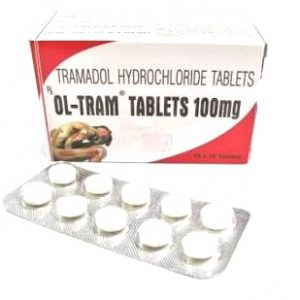 TRAMADOL 100MG
Price range: $350.00 through $1,099.00
TRAMADOL 100MG
Price range: $350.00 through $1,099.00
-
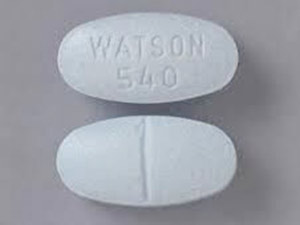 Hydrocodone Acetaminophen 10-325mg
Price range: $399.00 through $435.00
Hydrocodone Acetaminophen 10-325mg
Price range: $399.00 through $435.00
-
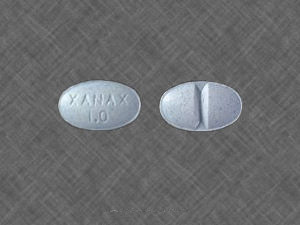 blue Xanax
Price range: $450.00 through $690.00
blue Xanax
Price range: $450.00 through $690.00
-
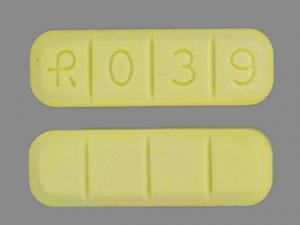 yellow Xanax Ro39 Pill
Price range: $399.00 through $450.00
yellow Xanax Ro39 Pill
Price range: $399.00 through $450.00
-
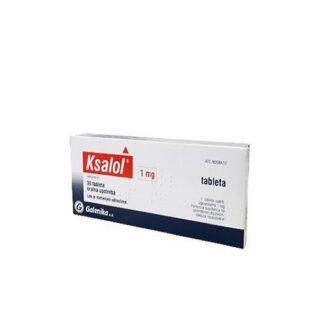 Ksalol 1mg
Price range: $399.00 through $749.00
Ksalol 1mg
Price range: $399.00 through $749.00
Leave a Reply