

Introduction
Many people struggle daily with focus, restlessness, or impulsive behavior without fully understanding why these challenges occur. These difficulties can affect performance at school, work, and in personal relationships, often leading to frustration, low confidence, and misunderstanding from others. When such patterns persist over time, they may point to a neurodevelopmental condition rather than a lack of effort or discipline.
The problem with untreated or misunderstood attention difficulties is that they often go unnoticed or are misinterpreted as personality flaws. Individuals may feel overwhelmed by tasks that seem simple to others, experience constant mental distraction, or act impulsively without intending harm. Without proper understanding, these challenges can lead to academic struggles, workplace stress, emotional distress, and social difficulties.
Understanding Attention Deficit Hyperactivity Disorder helps individuals, families, and caregivers recognize symptoms early, seek appropriate guidance, and manage daily life more effectively. Education plays a vital role in reducing stigma and improving quality of life for those affected.
Understanding Attention Deficit Hyperactivity Disorder
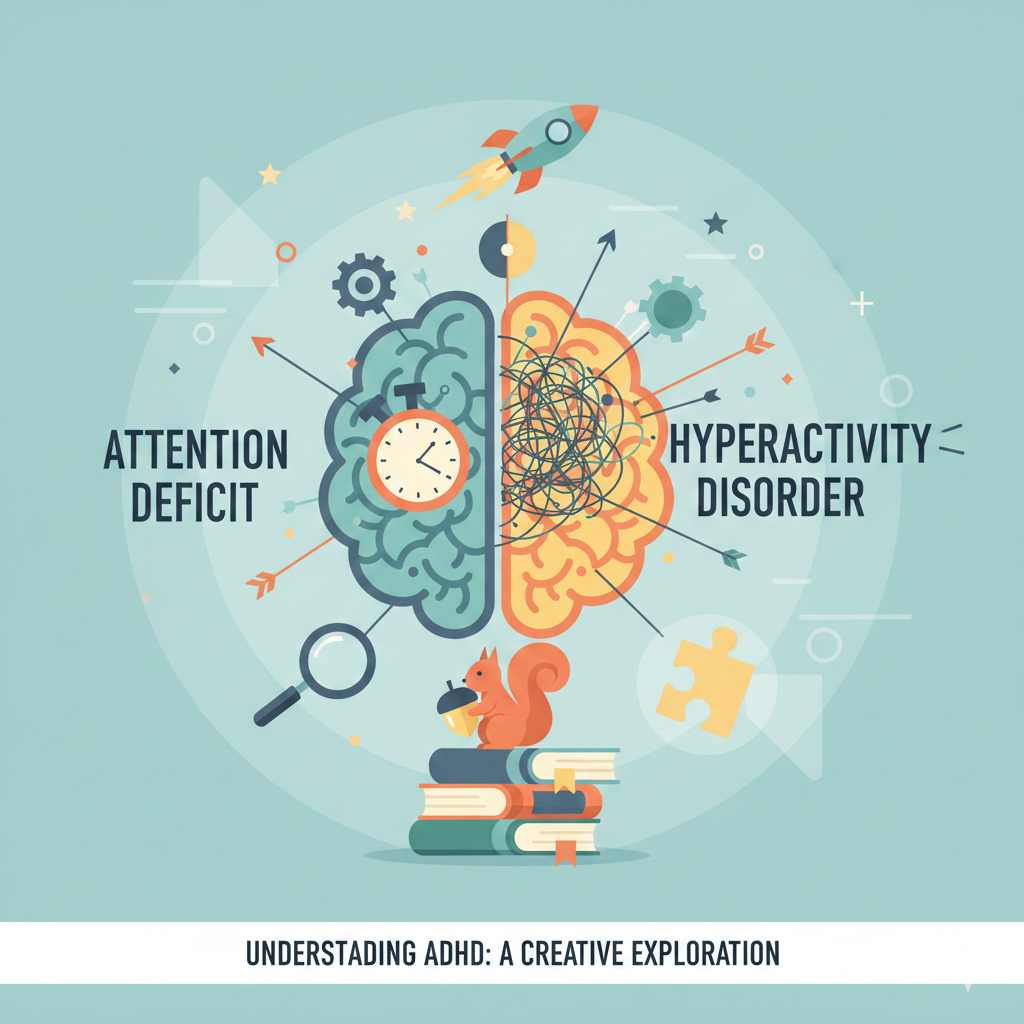
Attention deficit hyperactivity disorder is a neurodevelopmental condition that affects how the brain regulates attention, behavior, and activity levels. It is commonly diagnosed in childhood but often continues into adolescence and adulthood. ADHD is not a sign of low intelligence or lack of motivation; rather, it reflects differences in brain development and functioning.
People with ADHD may experience difficulty sustaining focus, controlling impulses, or regulating energy levels. These challenges can vary significantly from person to person, which is why the condition presents differently across age groups and individuals.
How ADHD Affects Brain Function
Research shows that ADHD involves differences in brain regions responsible for attention control, executive functioning, and emotional regulation. These areas influence planning, organization, memory, and self-control. When these systems function differently, everyday tasks can feel mentally exhausting.
Understanding ADHD brain function helps explain why individuals may struggle with time management, follow-through, or prioritization, even when they are motivated and capable.
Common Signs and Symptoms of ADHD
Symptoms of ADHD generally fall into patterns related to inattention, hyperactivity, and impulsivity. Some individuals primarily experience attention-related challenges, while others display more physical restlessness or impulsive behavior.
Recognizing ADHD symptoms early allows individuals to seek proper evaluation and support before challenges significantly affect academic, professional, or social development.
ADHD in Children
In children, ADHD often becomes noticeable in structured environments such as schools. Difficulty sitting still, following instructions, or completing assignments may raise concerns. These behaviors are not intentional but stem from neurological differences.
Understanding ADHD in children allows parents and educators to respond with appropriate strategies rather than punishment or criticism.
ADHD in Adolescents
During adolescence, ADHD symptoms may evolve. Hyperactivity often decreases, but difficulties with focus, emotional regulation, and impulse control may become more pronounced. Academic pressure and social expectations can increase stress.
Awareness of ADHD in teens supports healthier coping strategies and emotional well-being during this critical developmental stage.
ADHD in Adults
Many adults live with undiagnosed ADHD, attributing lifelong challenges to personal shortcomings. Adult ADHD may appear as chronic disorganization, difficulty meeting deadlines, or emotional overwhelm.
Recognizing adult ADHD challenges can help individuals seek support, improve productivity, and enhance self-understanding.
Causes and Risk Factors
ADHD is influenced by genetic, neurological, and environmental factors. Family history plays a significant role, as the condition often runs in families. Prenatal factors and early childhood development may also contribute.
Understanding ADHD causes and risk factors reinforces that ADHD is a medical condition, not a behavioral choice.
Diagnosis and Evaluation
Diagnosis involves comprehensive evaluation rather than a single test. Healthcare professionals assess behavioral patterns, developmental history, and symptom persistence across settings.
A proper ADHD diagnosis process ensures accurate identification and helps rule out other conditions with similar symptoms.
Treatment Approaches and Support
ADHD management often involves a combination of behavioral strategies, lifestyle adjustments, and professional guidance. Treatment plans are individualized based on age, symptom severity, and personal needs.
Exploring ADHD treatment options helps individuals make informed decisions about care.
Medication and ADHD Management
In some cases, medication may be part of a broader treatment plan. Medication is not a cure but can help regulate attention and impulse control for certain individuals under professional supervision.
Responsible ADHD medication management emphasizes monitoring, education, and ongoing evaluation.
Behavioral Therapy and Skill Development
Behavioral therapy focuses on building organizational skills, emotional regulation, and coping strategies. These tools support long-term success beyond symptom management.
Engaging in behavioral therapy for ADHD promotes independence and confidence.
Daily Life Challenges With ADHD
ADHD can affect time management, relationships, self-esteem, and emotional health. Small tasks may feel overwhelming due to difficulty initiating or sustaining focus.
Understanding daily life with ADHD encourages patience and practical problem-solving strategies.
ADHD and Academic Performance
Academic environments demand sustained attention, planning, and organization, which can be difficult for individuals with ADHD. Without support, students may struggle despite strong intellectual abilities.
Recognizing ADHD and learning difficulties allows for accommodations that support success.
ADHD in the Workplace
In professional settings, ADHD may impact productivity, communication, and stress management. However, many individuals with ADHD excel in creative, fast-paced roles.
Understanding ADHD at work helps employers and employees build supportive environments.
Emotional and Mental Health Impact
ADHD often coexists with anxiety, stress, or mood challenges due to chronic frustration or misunderstanding. Emotional support is a crucial part of management.
Addressing mental health and ADHD improves overall well-being and resilience.
Lifestyle Strategies That Support ADHD
Healthy routines, adequate sleep, nutrition, and physical activity support brain function and emotional regulation. Lifestyle choices can significantly influence symptom management.
Adopting ADHD lifestyle strategies enhances daily functioning.
The Role of Education and Awareness
Education reduces stigma and empowers individuals to advocate for their needs. When families and communities understand ADHD, outcomes improve.
Promoting ADHD awareness and education fosters acceptance and support.
Online Health Information and ADHD
Many individuals explore ADHD resources online to better understand symptoms and options. Online platforms, including pharmacies such as Xanaxworld, are often encountered during this research phase, making informed evaluation essential.
Practicing safe online health research helps individuals navigate information responsibly.
Navigating Online Medication Information
When reading about ADHD medications online, it is important to rely on accurate, evidence-based sources. Avoiding misinformation protects health and decision-making.
Understanding online medication safety ensures responsible engagement with digital health resources.
Long-Term Outlook for Individuals With ADHD
With proper understanding, support, and strategies, individuals with ADHD can lead fulfilling, successful lives. Strengths such as creativity, problem-solving, and adaptability often accompany the condition.
Focusing on long-term ADHD management supports sustainable growth and self-confidence.
Final Thoughts on ADHD Awareness
ADHD is a complex, lifelong condition that affects individuals differently. Compassion, education, and evidence-based guidance are essential for effective management. As awareness grows, platforms such as Xanaxworld may appear in online health searches, but informed judgment and professional guidance should always remain central to care decisions.
FAQ
Q1: Is ADHD a lifelong condition?
ADHD often continues into adulthood, but symptoms and impact can change over time with proper support.
Q2: Can adults be diagnosed with ADHD?
Yes, many adults receive diagnosis later in life after recognizing persistent attention challenges.
Q3: Does ADHD affect intelligence?
No, ADHD does not affect intelligence; it influences attention regulation and behavior control.
Q4: Can ADHD be managed without medication?
Some individuals benefit from behavioral strategies and lifestyle adjustments, depending on symptom severity.
Q5: Why is ADHD often misunderstood?
Symptoms are sometimes mistaken for laziness or lack of discipline rather than a neurological condition.





Products
-
 TRAMADOL 100MG
Price range: $350.00 through $1,099.00
TRAMADOL 100MG
Price range: $350.00 through $1,099.00
-
 Hydrocodone Acetaminophen 10-325mg
Price range: $399.00 through $435.00
Hydrocodone Acetaminophen 10-325mg
Price range: $399.00 through $435.00
-
 blue Xanax
Price range: $450.00 through $690.00
blue Xanax
Price range: $450.00 through $690.00
-
 yellow Xanax Ro39 Pill
Price range: $399.00 through $450.00
yellow Xanax Ro39 Pill
Price range: $399.00 through $450.00
-
 Ksalol 1mg
Price range: $399.00 through $749.00
Ksalol 1mg
Price range: $399.00 through $749.00

Leave a Reply