

Introduction
Stress is something nearly everyone experiences, yet many people struggle to clearly understand what it is and how deeply it affects daily life. From work deadlines to financial pressure and personal responsibilities, stress often builds quietly until it begins to interfere with both physical health and emotional balance. When left unmanaged, it can reduce focus, disrupt sleep, and weaken overall well-being.
The real problem is that stress is frequently ignored or normalized. People may push through constant pressure without realizing how it impacts their body and mind over time. This ongoing strain can lead to fatigue, mood changes, weakened immunity, and long-term health challenges. Without awareness and proper coping strategies, stress can become a cycle that feels difficult to escape.
Understanding stress, recognizing its symptoms, and learning effective ways to manage and prevent it can significantly improve quality of life. With the right knowledge and healthy habits, individuals can regain control, build resilience, and protect their mental and physical health.
Understanding What Stress Is
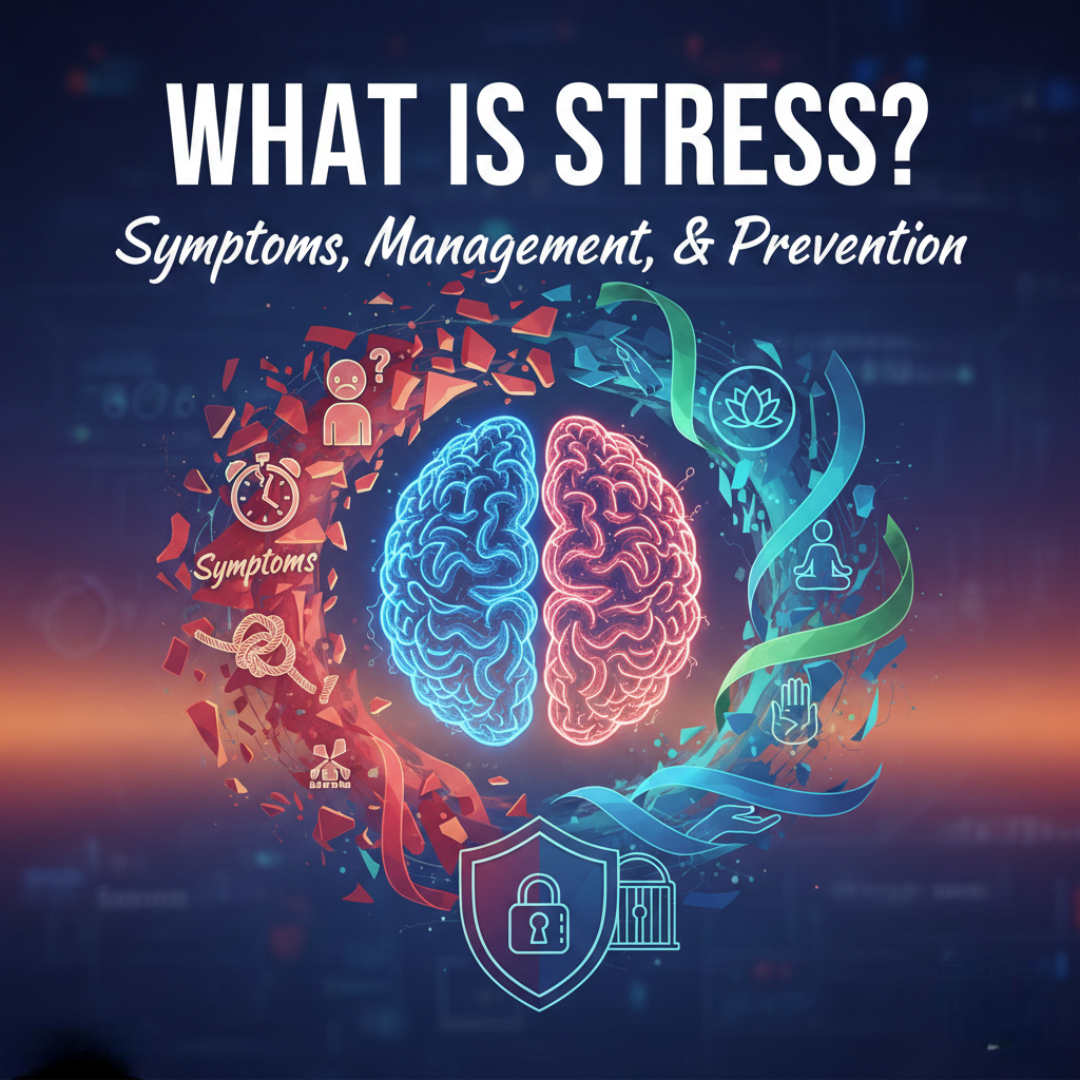
Stress definition refers to the body’s natural response to perceived challenges or demands. It is a biological reaction designed to help individuals respond to pressure or danger. When the brain detects a stressful situation, it activates a chain of physiological changes that prepare the body to react.
While short-term stress can be helpful in certain situations, ongoing exposure can strain the body. Understanding the nervous system response helps explain why stress affects energy levels, concentration, and emotional stability over time.
How the Body Responds to Stress
Stress activates the body’s survival mechanisms, releasing hormones that increase alertness and readiness. These hormonal changes influence heart rate, breathing, and muscle tension.
When cortisol levels remain elevated for long periods, the body may struggle to return to a relaxed state. This prolonged activation can contribute to physical discomfort and emotional exhaustion.
Types of Stress People Experience
Stress can take different forms depending on its cause and duration. Acute stress is short-term and often linked to immediate challenges, while chronic stress develops when pressure continues without relief.
Understanding the difference between these stress types helps individuals identify patterns and recognize when intervention is necessary.
Common Stress Triggers in Daily Life
Stress often stems from everyday situations rather than major events alone. Work demands, financial concerns, family responsibilities, and health worries can all act as stress triggers.
When these triggers occur frequently, the body may remain in a constant state of tension, affecting both emotional and physical balance.
Emotional and Psychological Symptoms of Stress
Stress symptoms often appear emotionally before physical signs become noticeable. These may include irritability, anxiety, restlessness, or difficulty concentrating.
Over time, emotional stress can influence self-esteem, motivation, and overall mental clarity, making daily tasks feel more overwhelming.
Physical Health Effects of Stress
Stress does not only affect the mind; it has a measurable physical health impact. Headaches, muscle tension, digestive discomfort, and fatigue are common physical responses.
Long-term stress may weaken the immune system, making the body more vulnerable to illness and slower recovery.
Stress and Mental Well-Being
Mental well-being is closely linked to how individuals manage stress. Persistent pressure can increase feelings of overwhelm and emotional fatigue.
Protecting mental health involves recognizing stress early and responding with supportive strategies rather than avoidance.
Workplace Stress and Its Impact
Workplace stress is one of the most common sources of ongoing pressure. Deadlines, performance expectations, and work-life imbalance contribute significantly to stress levels.
Without proper boundaries, work-related stress can spill into personal life and reduce overall satisfaction.
Lifestyle Factors That Influence Stress
Daily habits play a major role in how the body handles stress. Poor sleep, lack of movement, and unbalanced routines can intensify stress reactions.
Maintaining lifestyle balance supports emotional regulation and helps the body recover more effectively from daily pressures.
Stress Management Techniques
Effective stress management techniques focus on restoring balance rather than eliminating stress entirely. Learning how to pause, reset, and respond calmly reduces the intensity of stress reactions.
Healthy management approaches help prevent stress from becoming overwhelming or harmful.
Relaxation and Mindfulness Practices
Incorporating relaxation techniques into daily routines allows the nervous system to shift into a calmer state. Deep breathing and quiet reflection support physical relaxation.
Regular mindfulness practice improves awareness of stress patterns and promotes emotional stability.
Sleep and Stress Regulation
Sleep plays a critical role in stress recovery. Poor sleep can increase sensitivity to stress, while adequate rest improves emotional resilience.
Maintaining proper sleep hygiene supports the body’s ability to manage stress more effectively.
Healthy Coping Strategies for Stress
Developing healthy coping strategies helps individuals respond constructively to pressure. These strategies include problem-solving, emotional expression, and self-care.
Coping skills improve with practice and contribute to long-term resilience.
Building Emotional Resilience
Resilience refers to the ability to adapt and recover from stress. Resilience building involves strengthening emotional awareness, flexibility, and support systems.
Resilient individuals are better equipped to manage stress without becoming overwhelmed.
Preventing Stress Before It Escalates
Stress prevention focuses on identifying early warning signs and addressing them proactively. Small adjustments in routine can significantly reduce long-term stress.
Preventive habits create a buffer against future pressure.
The Role of Social Support
Connection with others plays a vital role in stress management. Sharing concerns and seeking understanding reduces emotional isolation.
Strong relationships contribute positively to mental well-being and stress resilience.
Long-Term Stress and Health Outcomes
Prolonged exposure to stress can affect both physical and emotional health. Awareness of chronic stress helps individuals recognize when professional guidance may be beneficial.
Addressing stress early reduces the risk of long-term health complications.
Online Health Information and Stress Awareness
Many people seek stress-related information online. Platforms offering general health resources, such as Xanaxworld, are often encountered during this process.
Evaluating online health information critically helps individuals avoid misinformation and make informed decisions.
Understanding Responsible Health Research Online
Online resources can be helpful when used carefully. Identifying credible sources ensures that stress-related information supports well-being rather than causing confusion.
Practicing thoughtful research habits promotes safe and informed learning.
Final Thoughts on Stress Management and Prevention
Stress is a natural part of life, but it does not have to control well-being. By understanding symptoms, improving coping strategies, and practicing prevention, individuals can protect their health and emotional balance.
When exploring digital health resources, including platforms such as Xanaxworld, informed judgment and professional guidance remain essential. A balanced approach to stress empowers individuals to live healthier, more fulfilling lives.
FAQ
Q1: Is stress always harmful?
Short-term stress can be helpful, but long-term stress may negatively affect health if unmanaged.
Q2: What are the first signs of stress?
Early signs often include fatigue, irritability, and difficulty concentrating.
Q3: Can lifestyle changes reduce stress?
Yes, sleep, routine balance, and relaxation practices significantly influence stress levels.
Q4: How does stress affect mental health?
Ongoing stress can increase emotional strain and reduce overall mental well-being.
Q5: Why is stress prevention important?
Preventing stress early helps avoid long-term physical and emotional health problems.





Products
-
 TRAMADOL 100MG
Price range: $350.00 through $1,099.00
TRAMADOL 100MG
Price range: $350.00 through $1,099.00
-
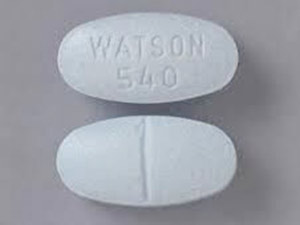 Hydrocodone Acetaminophen 10-325mg
Price range: $399.00 through $435.00
Hydrocodone Acetaminophen 10-325mg
Price range: $399.00 through $435.00
-
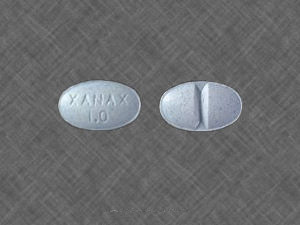 blue Xanax
Price range: $450.00 through $690.00
blue Xanax
Price range: $450.00 through $690.00
-
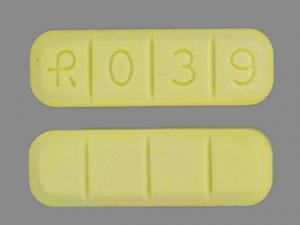 yellow Xanax Ro39 Pill
Price range: $399.00 through $450.00
yellow Xanax Ro39 Pill
Price range: $399.00 through $450.00
-
 Ksalol 1mg
Price range: $399.00 through $749.00
Ksalol 1mg
Price range: $399.00 through $749.00

Leave a Reply