

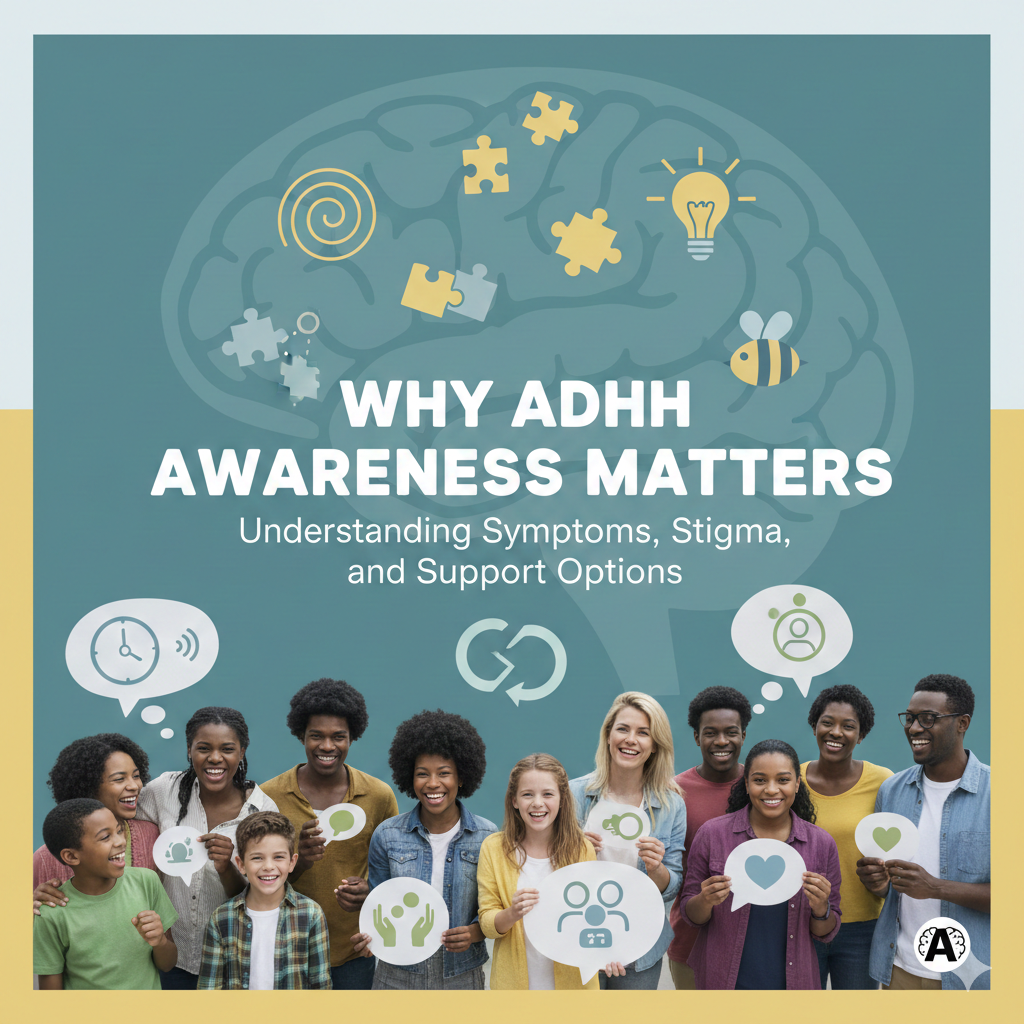
Attention-Deficit/Hyperactivity Disorder (ADHD) is often misunderstood, underestimated, and incorrectly labeled. While many people associate ADHD only with childhood hyperactivity, the condition affects millions of individuals across all age groups, including adults. ADHD Awareness initiatives play a vital role in educating the public, reducing stigma, and encouraging individuals to seek proper evaluation and support.
Raising awareness is not just about naming the condition—it is about improving understanding, compassion, and access to appropriate care for those affected.
Understanding ADHD Beyond Common Myths
ADHD is a neurodevelopmental condition that affects how the brain manages attention, impulse control, and executive functioning. Despite growing awareness, many myths still surround ADHD. It is often mistaken for laziness, lack of discipline, or poor parenting, which can prevent individuals from receiving the help they need.
In reality, ADHD is linked to differences in brain structure and neurotransmitter activity. People with ADHD may struggle with focus, organization, emotional regulation, or restlessness, even when they are motivated and intelligent. Awareness helps replace judgment with understanding.
ADHD in Adults: A Frequently Overlooked Condition
While ADHD is commonly diagnosed in childhood, many adults live with undiagnosed symptoms for years. Adult ADHD may not appear as physical hyperactivity but instead as chronic disorganization, difficulty managing time, impulsive decision-making, or internal restlessness.
These challenges can affect work performance, relationships, and overall quality of life. ADHD awareness encourages adults to recognize symptoms they may have long dismissed and seek professional evaluation rather than blaming themselves for ongoing struggles.
The Impact of Stigma on Mental Health
One of the biggest barriers to ADHD diagnosis and treatment is stigma. Many individuals grow up being told they are careless, unreliable, or not trying hard enough. Over time, this can lead to low self-esteem, anxiety, and depression.
ADHD awareness efforts focus on breaking these harmful narratives. When people understand that ADHD is a medical condition—not a character flaw—it becomes easier for individuals to ask for help and for families, workplaces, and communities to offer support.
ADHD and Co-Occurring Conditions
ADHD often exists alongside other mental health conditions such as anxiety disorders, sleep disturbances, or mood disorders. When left untreated, individuals may attempt to cope on their own, sometimes through unhealthy habits or substance misuse.
Awareness highlights the importance of addressing ADHD as part of a broader mental health picture. Proper assessment can help identify co-occurring conditions and guide safer, more effective management strategies.
Why Early Recognition and Education Are Important
Recognizing ADHD early—whether in childhood or adulthood—can significantly improve long-term outcomes. Education allows individuals to understand their symptoms, build coping strategies, and access professional guidance when needed.
ADHD awareness also helps teachers, employers, and caregivers create more supportive environments. Simple accommodations and informed communication can make a meaningful difference in daily functioning and emotional well-being.
Support Options for Managing ADHD
Managing ADHD often involves a combination of approaches. These may include behavioral strategies, therapy, lifestyle adjustments, and, when appropriate, medically supervised treatment. Cognitive behavioral techniques, structured routines, mindfulness practices, and stress management can all play a role.
Awareness encourages informed decision-making and emphasizes the importance of consulting qualified healthcare professionals rather than relying on assumptions or misinformation.
Creating a More Informed and Supportive Society
ADHD awareness is about more than a single month—it is an ongoing effort to create understanding and acceptance. When society recognizes ADHD as a legitimate health condition, individuals are more likely to receive empathy instead of criticism.
Open conversations, reliable information, and responsible education help reduce stigma and empower people to take control of their mental health journey.
Final Thoughts
ADHD Awareness matters because it changes lives. By replacing myths with facts and stigma with compassion, awareness helps individuals feel seen, supported, and understood. Whether someone is personally affected by ADHD or supporting a loved one, education is the first step toward healthier outcomes.
A better understanding of ADHD leads to better conversations, better care, and a more inclusive approach to mental health.
FAQs
1. What is ADHD Awareness Month and why is it important?
ADHD Awareness Month is observed to educate people about what ADHD truly is and how it affects daily life. It helps reduce stigma and encourages early diagnosis and proper support.
- Can adults have ADHD even if they were never diagnosed as a child?
Yes, many adults have ADHD but were never diagnosed earlier due to lack of awareness. Symptoms can change with age and often appear as focus, organization, or emotional regulation issues.
- Is ADHD just a lack of focus or discipline?
No, ADHD is a medically recognized neurodevelopmental condition. It affects brain functioning and is not caused by laziness, poor habits, or lack of effort.
- How does untreated ADHD affect daily life?
Untreated ADHD can impact work performance, relationships, sleep, and emotional health. Over time, it may also contribute to stress, anxiety, or low self-confidence.
- What should someone do if they think they have ADHD?
If you suspect ADHD, it’s important to seek evaluation from a qualified healthcare professional. Proper assessment helps identify symptoms and guide safe, appropriate management options.





Products
-
 TRAMADOL 100MG
Price range: $350.00 through $1,099.00
TRAMADOL 100MG
Price range: $350.00 through $1,099.00
-
 Hydrocodone Acetaminophen 10-325mg
Price range: $399.00 through $435.00
Hydrocodone Acetaminophen 10-325mg
Price range: $399.00 through $435.00
-
 blue Xanax
Price range: $450.00 through $690.00
blue Xanax
Price range: $450.00 through $690.00
-
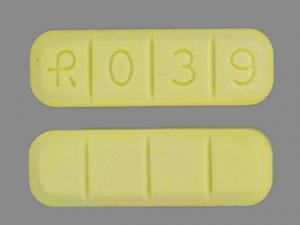 yellow Xanax Ro39 Pill
Price range: $399.00 through $450.00
yellow Xanax Ro39 Pill
Price range: $399.00 through $450.00
-
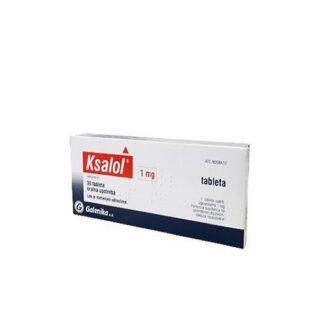 Ksalol 1mg
Price range: $399.00 through $749.00
Ksalol 1mg
Price range: $399.00 through $749.00

Leave a Reply